








The Falcon and the Winter Soldier(2021)
Honor the shield.
Imdb
7.10
276K VotesTmdb
7.60
8.7K VotesViewings
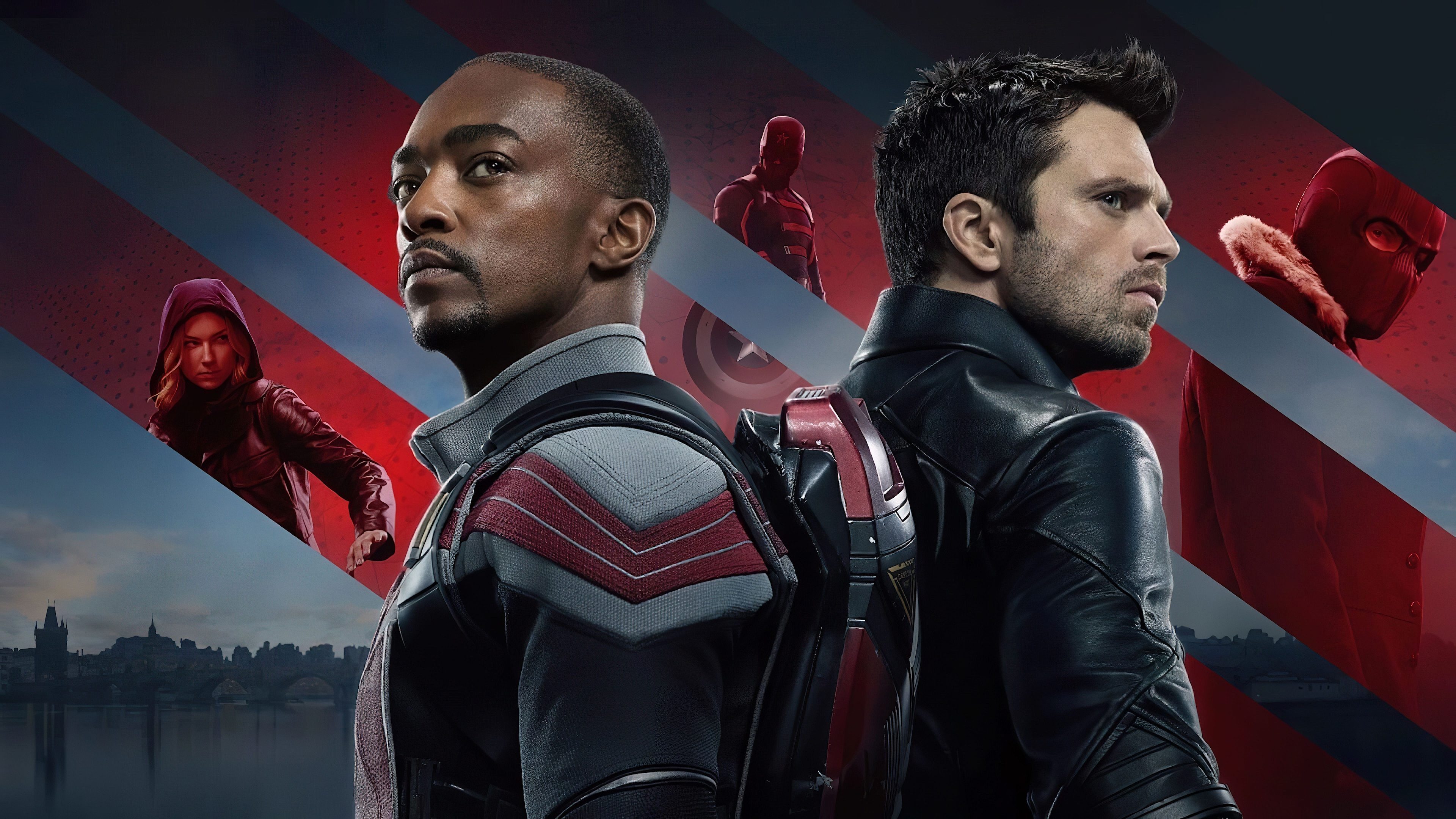
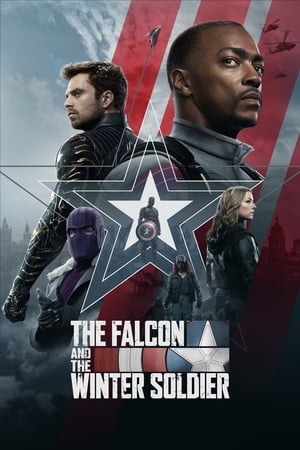
Following the events of “Avengers: Endgame”, the Falcon, Sam Wilson and the Winter Soldier, Bucky Barnes team up in a global adventure that tests their abilities, and their patience.
Seasons
Cast
Infos
Seasons
1
1
Episodes
6
6
Episode Duration
54 minutes
54 minutes
People Interested
12
12
People Watching
5
5
People Finished
137
137
Release Status
Finished
Finished
Current Episode
S01E06
S01E06
Start
3/19/2021
3/19/2021
End
4/23/2021
4/23/2021
Original Language
English
English
Origin Country
United States
Reviews
aleks-predator
4 months ago
6
An Unremarkable Conflict
Marvel and its Cinematic Universe are experimenting with new formats—this time, TV series. This decision still feels questionable to me, but it happened and continues to happen. While the first series, WandaVision, proved to be fairly solid, the follow-up "The Falcon and the Winter Soldier" clearly fell short of expectations.
It starts with the fact that the secondary characters from previous Avengers and Captain America projects, now given leading roles, didn’t seem ready to carry the weight. The same could be said about the writers, who dropped the pair of close comrades into a changed world after the departure of old heroes and the return to normal life following Hulk’s reverse snap. But it’s obvious the creators didn’t really try to develop this “new” world, showing how people would actually live in it. The world feels flat, like cardboard.
The frankly weak plot fails to hold the viewer’s attention—too flimsy for a spy-action story. Attempts to address seemingly important issues like racial discrimination in American society come across as muddled. We see Wilson confronting the problem through the lens of another Black super-soldier from the past—someone who, according to the writers, was never considered worthy of being America’s face, unlike Rogers. That said, Carl Lumbly’s performance as the Black super-soldier is a highlight. His dialogue with Falcon manages to convey the problem of inequality in a way that hits home.
Baron Zemo, meanwhile, feels like a clone of himself. The dangerous villain from Civil War is gone without a trace—another symptom of the show’s problems. The creators seem willing to change a character’s entire arc for the sake of lighthearted or even comedic portrayals.
The main antagonist, played by the likable Erin Kellyman, isn’t convincing. She’s a young woman leading an entire army willing to fight for her ideas. I have no issue with her gender or age—it’s her behavior that makes it hard to believe. She lacks the inner strength needed to inspire such loyalty.
The entire conflict is built around an idea revealed about halfway through the show: Bruce Banner’s reverse snap brought half the planet’s population back, making life unbearable for many. That’s an excellent premise to explore. For five years, the vanished were gone; those left behind mourned, moved on, built new families, and started new lives. Their sudden return threw everything into chaos. This could have been a goldmine for the writers to explore through a few strong examples. Instead, they focus on other things. Disappointing.
The project clearly lacks the originality of previous Marvel films. Social issues relevant to the American audience—inequality, the gap between rich and poor—are present, but the way they’re addressed feels unconvincing. And Marvel should keep in mind that these themes need not only to be well-developed but also understandable beyond the U.S. In our connected world, these issues aren’t news to anyone with internet access and a basic awareness of social movements in North America. Unfortunately, the approach to this story’s core idea turned out weak.
For me, the series ended up as just another forgettable project. Yes, it’s fine, even watchable—but nothing more. We’re used to seeing much higher quality from Marvel.
6 out of 10
Collections
Recommended Titles
7.80
Tv
Star Wars: The Bad Batch
6.50
Tv
Marvel Studios Legends
8.40
Tv

Mare of Easttown
6.40
Tv
Who Killed Sara?
7.60
Tv
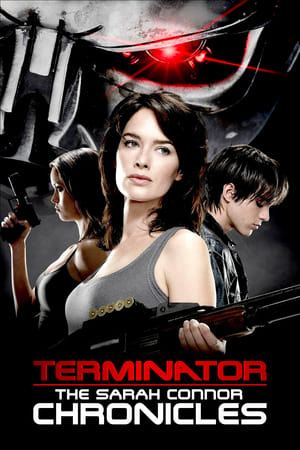
Terminator: The Sarah Connor Chronicles
8.60
Tv

Marvel's Daredevil
7.40
Tv
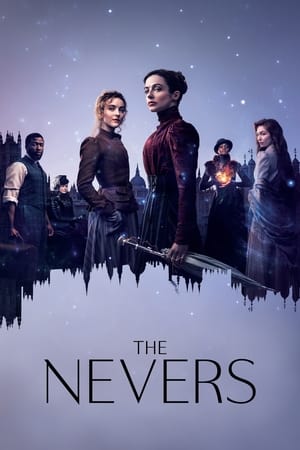
The Nevers
8.20
Tv
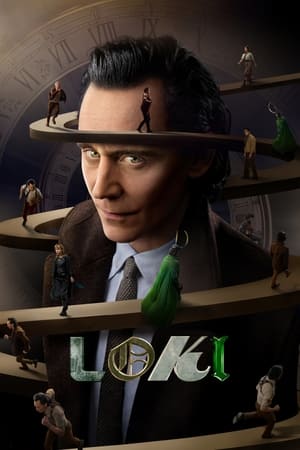
Loki
7.90
Tv

WandaVision
7.50
Tv
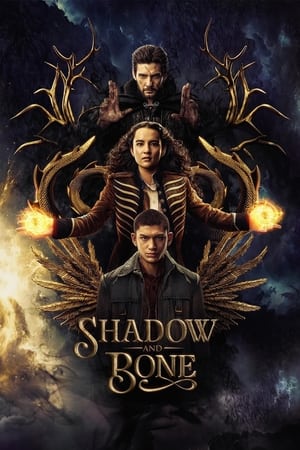
Shadow and Bone
7.40
Tv
Hawkeye
7.50
Tv

I Am Not Okay with This
7.30
Tv

What If...?
7.30
Tv

Moon Knight
6.20
Tv

Ms. Marvel
6.70
Tv
Jupiter's Legacy
7.80
Tv

Superman & Lois
8.70
Tv

INVINCIBLE
7.90
Tv

Solar Opposites
Episode Quality
Masterpiece
Great
Good
Meh
Bad
Awful