







Blade Runner 2049(2017)
The key to the future is finally unearthed.
Imdb
8.00
772K VotesTmdb
7.61
16K VotesViewings
No viewings yet. Add one to start tracking.
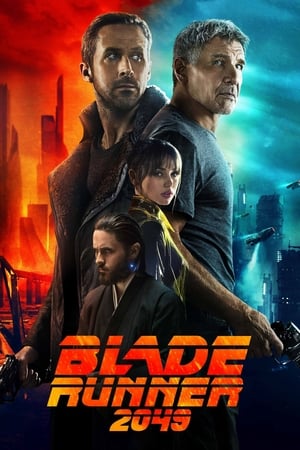
Thirty years after the events of the first film, a new blade runner, LAPD Officer K, unearths a long-buried secret that has the potential to plunge what's left of society into chaos. K's discovery leads him on a quest to find Rick Deckard, a former LAPD blade runner who has been missing for 30 years.
Where to watch

Infos
Runtime
164 minutes
164 minutes
Directed by
Denis Villeneuve
Denis Villeneuve
Written by
Hampton FancherMichael Green
Hampton FancherMichael Green
People Interested
54
54
People Finished
329
329
Release Status
Finished
Finished
Release Date
10/4/2017
10/4/2017
Original Language
English
English
Origin Country
Canada
United Kingdom
United States
Cast
Recommended Titles
Reviews
aleks-predator
11 months ago
8
The World Beyond
Back in its day, Ridley Scott’s "Blade Runner" gave birth to what we now call the cyberpunk genre. That dark, rain-soaked megacity with its endless neon signs wasn’t yet a full-fledged symbol of the style, but Scott managed to translate Philip K. Dick’s novel to the screen so vividly that even decades later many still regard it as one of the greatest sci-fi films ever made. Recreating that magic — let alone expanding on it — was no easy task.
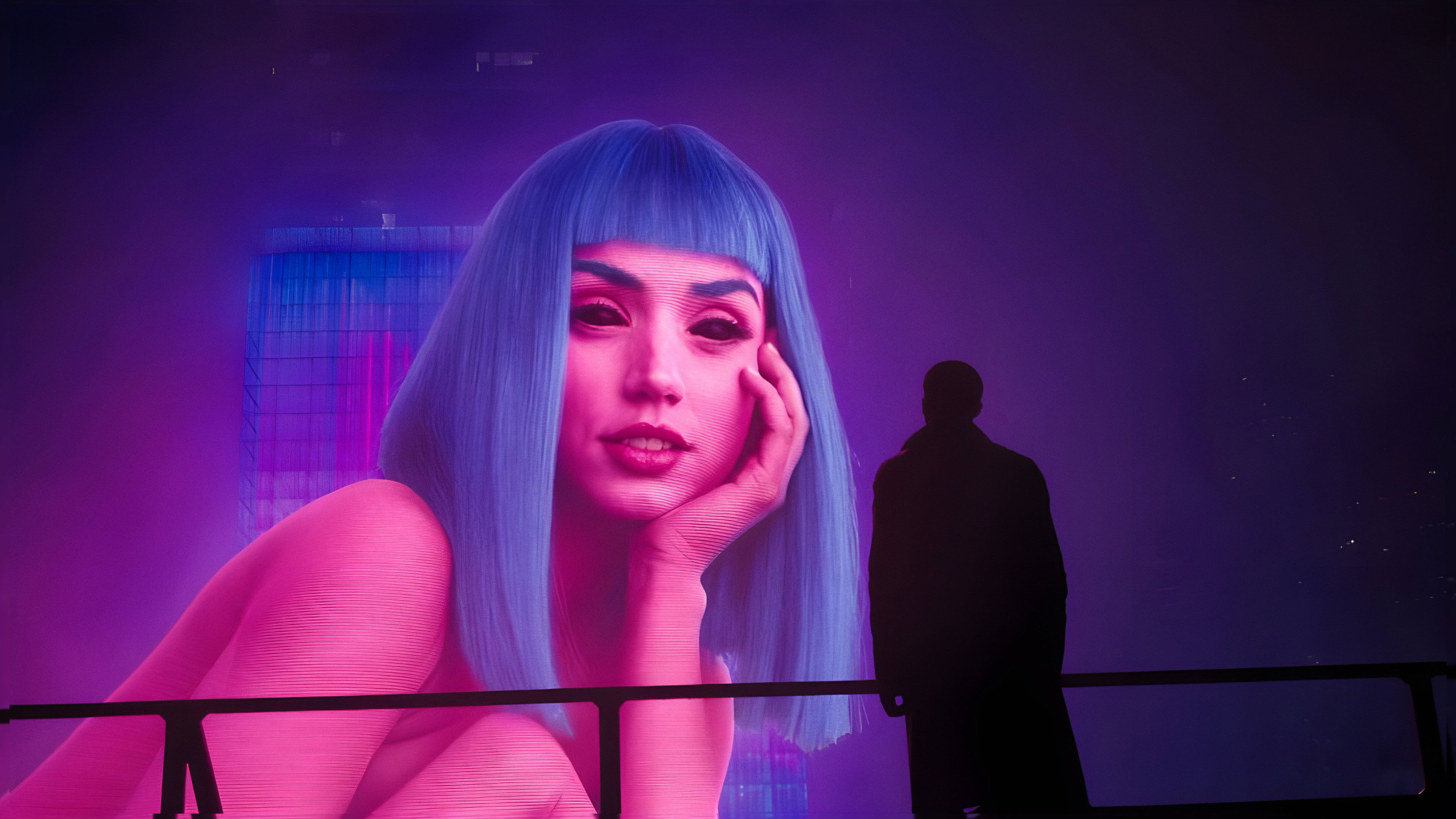
Thirty-five years later came "Blade Runner 2049", directed by Denis Villeneuve — and honestly, no better choice could have been made. His masterful touch is evident in every frame of this long yet never dull film. The pacing is deliberate, the imagery breathtaking: sweeping panoramas, vast futuristic cityscapes, and thoughtful stillness. Villeneuve and cinematographer Roger Deakins found their rhythm, crafting painterly visuals with impeccable color grading and composition — every shot feels like a moving artwork.
The story itself continues the narrative of the original, expanding the world where Rick Deckard, played by Harrison Ford, once carried out his investigation. Now the focus shifts to Ryan Gosling’s character, K — a calm, introspective figure on his own search for truth. Through his eyes, the audience rediscovers this universe. Villeneuve’s gift for intelligent science fiction allows small details to feel monumental. The supporting cast shines as well: Ana de Armas brings warmth and emotion, Jared Leto embodies enigmatic authority, and Dave Bautista leaves a strong impression despite limited screen time.
Visually, the film is stunning. The special effects enrich this imagined post-apocalyptic future, and the use of color etches itself into your memory — certain hues become emotional cues long after the credits roll. For me, it’s that bright yellow desert with its colossal crumbling statues, and the cool neon blues of the nocturnal cityscapes. Every tone tells a story. The experience is elevated even further by the atmospheric score from Hans Zimmer and Benjamin Wallfisch — resonant, immersive, and powerful.
"Blade Runner 2049" continues to explore what it means to be human in a world populated by beings that look, feel, and think like us — yet are not “us.” Where is the line between natural life and artificial creation? Who is the creator, and who is the evolved? What moral compass guides one over the other? The film doesn’t offer easy answers but invites the viewer to reflect alongside its narrative — all while soaking in its hypnotic visuals and thunderous soundscape.
Ultimately, "Blade Runner 2049" stands as perhaps the best sequel that the 1982 classic could have ever received. It’s the same universe — only larger, deeper, more complex. It doesn’t diminish the original; it expands it, enriches it, and redefines it. And along the way, it makes you ponder humanity’s place in the grand design — reminding us that while every person is unique, we may all just be another step in the planet’s vast evolution, destined to be replaced by what comes next.
8 out of 10