








Toy Story 4(2019)
Get ready to hit the road!
Imdb
7.60
307K VotesTmdb
7.47
10K VotesViewings
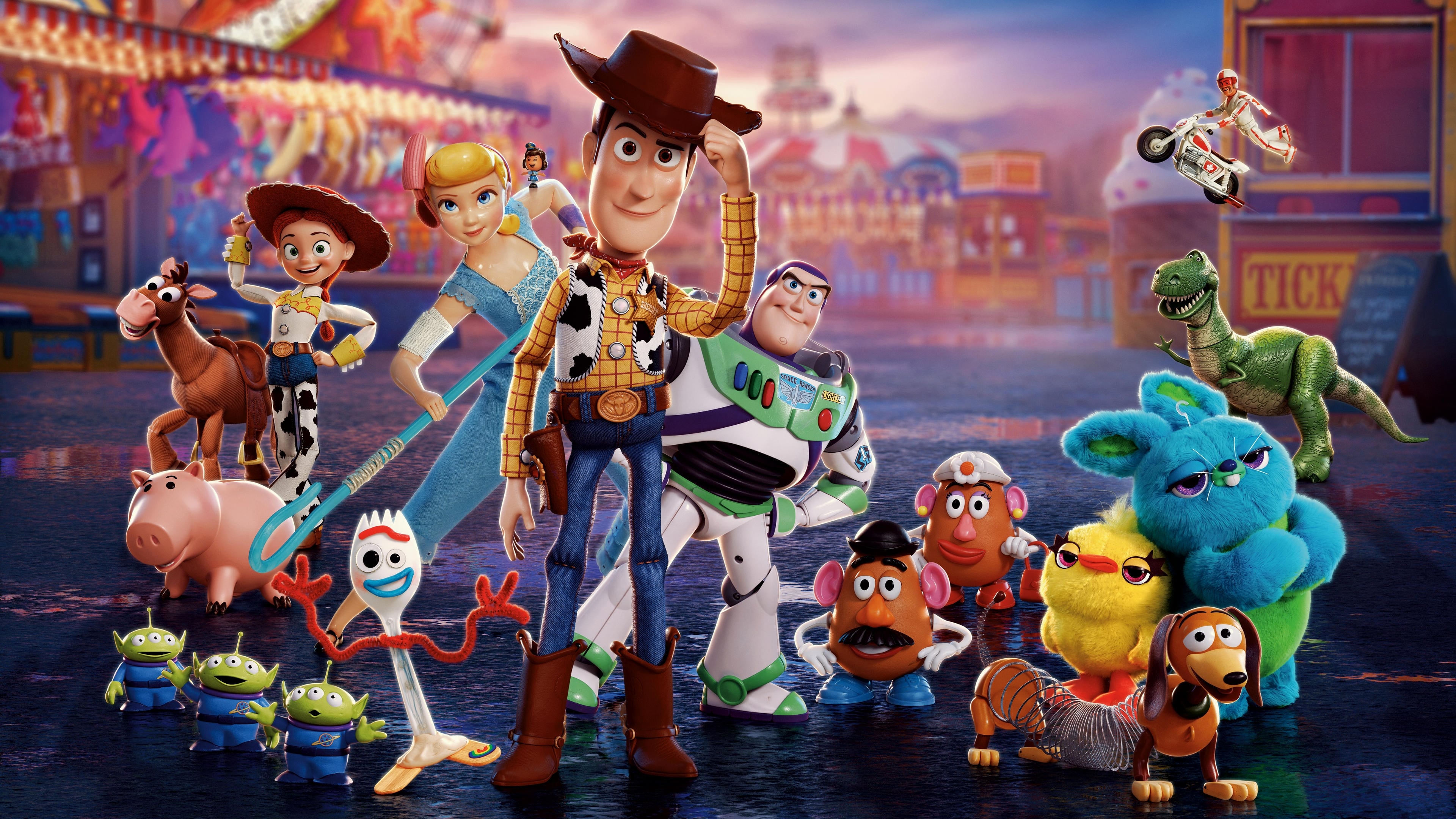
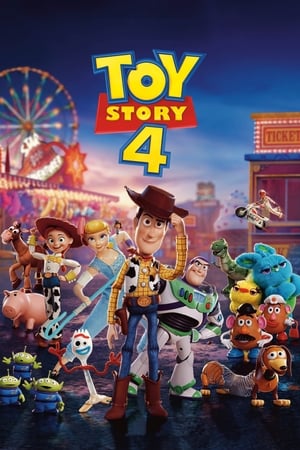
Woody has always been confident about his place in the world and that his priority is taking care of his kid, whether that's Andy or Bonnie. But when Bonnie adds a reluctant new toy called "Forky" to her room, a road trip adventure alongside old and new friends will show Woody how big the world can be for a toy.
Infos
Runtime
100 minutes
100 minutes
Directed by
Josh Cooley
Josh Cooley
Written by
Andrew StantonStephany Folsom
Andrew StantonStephany Folsom
People Interested
10
10
People Finished
107
107
Release Status
Finished
Finished
Release Date
6/19/2019
6/19/2019
Original Language
English
English
Origin Country
United States
Cast
Recommended Titles
8.30
Movie
Toy Story 3
7.10
Movie

Toy Story That Time Forgot
5.70
Movie

Dark Phoenix
6.80
Movie
Frozen II
7.00
Movie
Ralph Breaks the Internet
6.40
Movie

The Secret Life of Pets 2
6.90
Movie

Aladdin
6.80
Movie

The Lion King
7.30
Movie

Spider-Man: Far From Home
6.50
Movie
Pokémon Detective Pikachu
7.40
Movie

John Wick: Chapter 3 - Parabellum
7.60
Movie

Once Upon a Time... in Hollywood
8.30
Movie

Joker
5.60
Movie

Men in Black: International
6.40
Movie

Shaft
7.40
Movie
Onward
6.80
Movie

Yesterday
5.90
Movie

Annabelle Comes Home
8.30
Movie
Toy Story
7.90
Movie

Toy Story 2
Reviews

aleks-predator
2 months ago
8
A New Story of Familiar Toys
The "Toy Story" threequel became a magnificent finale to what is now a legendary saga about toys and their secret lives. It felt like a perfect, bold full stop — a story that took an emotional leap, delivering genuine drama and heartfelt concern for characters who had long become a true family. For years afterward, I couldn’t shake the feeling that Pixar would one day return to the adventures of Woody the cowboy, Buzz Lightyear the space ranger, and their friends. Though, in my opinion, they didn’t need to — everything had already been said, and the third film had drawn a definitive line in the heroes’ evolution. Surpassing that masterpiece was, and remains, impossible.
And yet, a new project was announced: "Toy Story 4". While I did enjoy the film, I can’t deny my mixed feelings about it. It lacks that childlike spark that made the trilogy so beloved, yet it remains a significant and meaningful addition to the series — one that poses new, deeply personal questions for its characters.
My generation grew up with these films. As we matured, so did the toys — and the stories they told. If the third movie served as a coming-of-age conclusion, showing that children eventually grow up and must let go of their toys (and the toys, in turn, must learn to let go of their owners), then the fourth one explores a different, yet equally profound theme. These toy stories are, at their core, reflections of human lives. Every viewer finds something personal in them — something that resonates and awakens emotions long buried within. After watching, you’re left with a bittersweet awareness — a good kind of ache that makes you think about what really matters.
The fourth installment brings Woody into the spotlight more than ever. He’s always been the heart of the franchise, but here his arc becomes truly personal. For the first time, Woody begins to question what he wants — not as someone’s loyal companion or protector, but as an individual. For decades, his life revolved around serving a single purpose: being a faithful friend to his kid, Andy — his owner and best buddy. But what are Woody’s own desires? This film finally gives him a chance to find out. He does so with the help of both old and new friends — especially through his attempts to protect Forky, a new “toy” who isn’t really a toy at all, just a spork… or at least he was. But eventually, Forky becomes one of the film’s most essential characters — and, unknowingly, the key to Woody’s transformation.
This project may feel somewhat conflicted, but it’s far from being a throwaway sequel. It’s an important entry in the series — one I’d call among Pixar’s finest achievements over its many decades. It’s remarkable how what seem like children’s films can so gracefully conceal deeply adult messages and explore mature, emotional themes. As parents, we sometimes fail to see certain truths about ourselves — and yet, through films like Toy Story 4, Pixar manages to reach those hidden places in our minds and hearts.
It’s not just about how the toys accept themselves and discover new paths — it’s about us. About learning to see new paths for our own lives, to understand our loved ones, to keep growing, to let go of the past, to enjoy the present, and, finally, to live for ourselves.
A strong film — funny and serious, sad and joyful, vibrant and unforgettable. Pixar once again delivers a colorful, emotionally rich, and dynamic experience that deserves a place alongside the studio’s best works.
8 out of 10