New Galactic Adventures of Shepard and the Crew
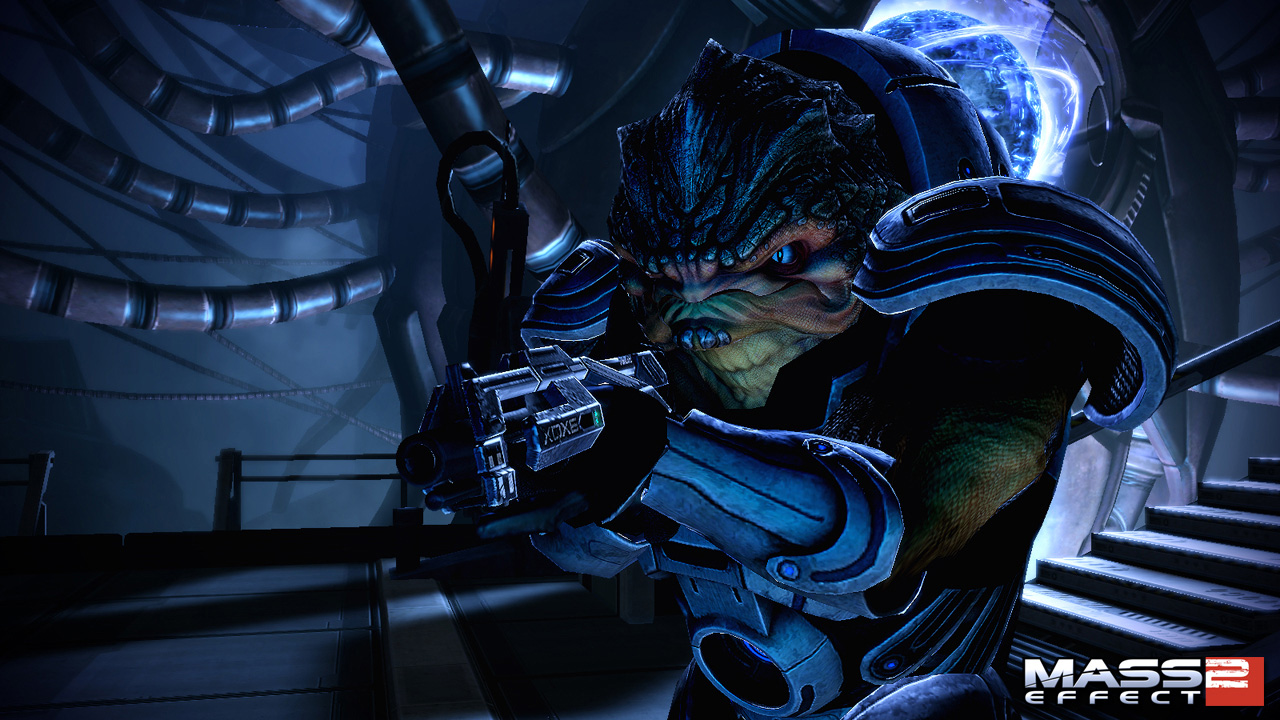
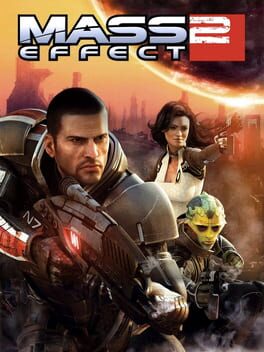
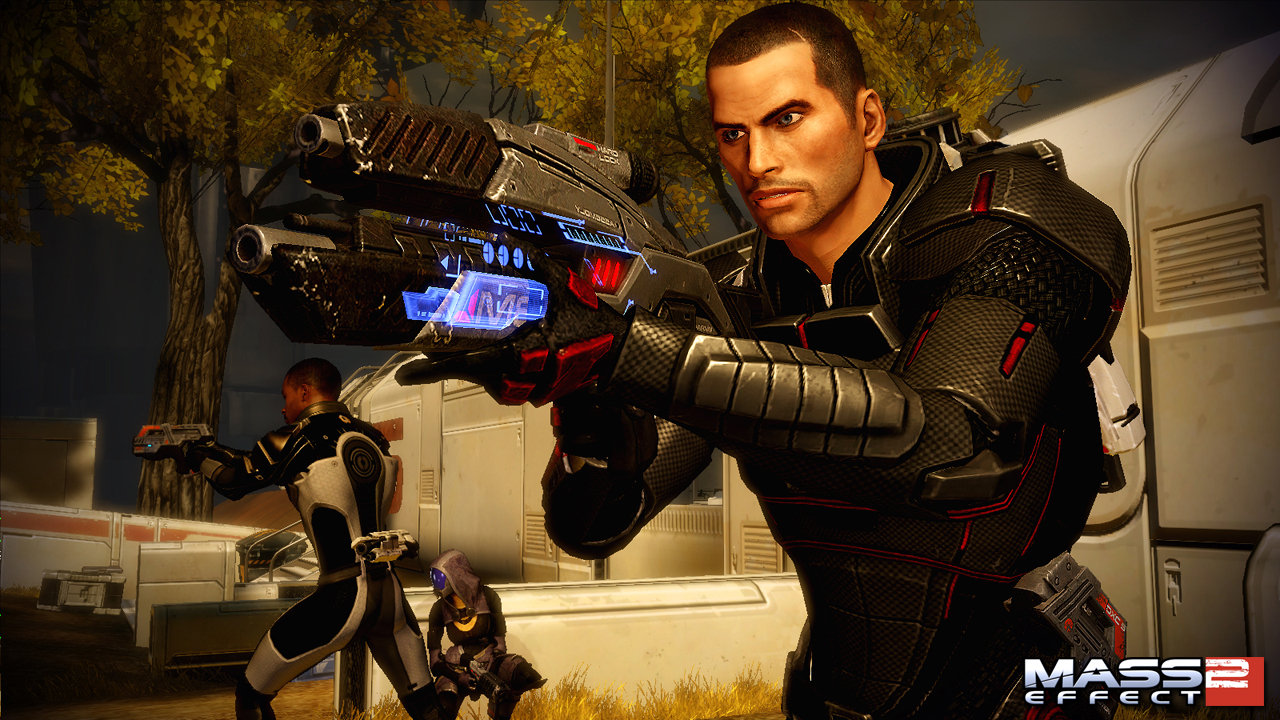
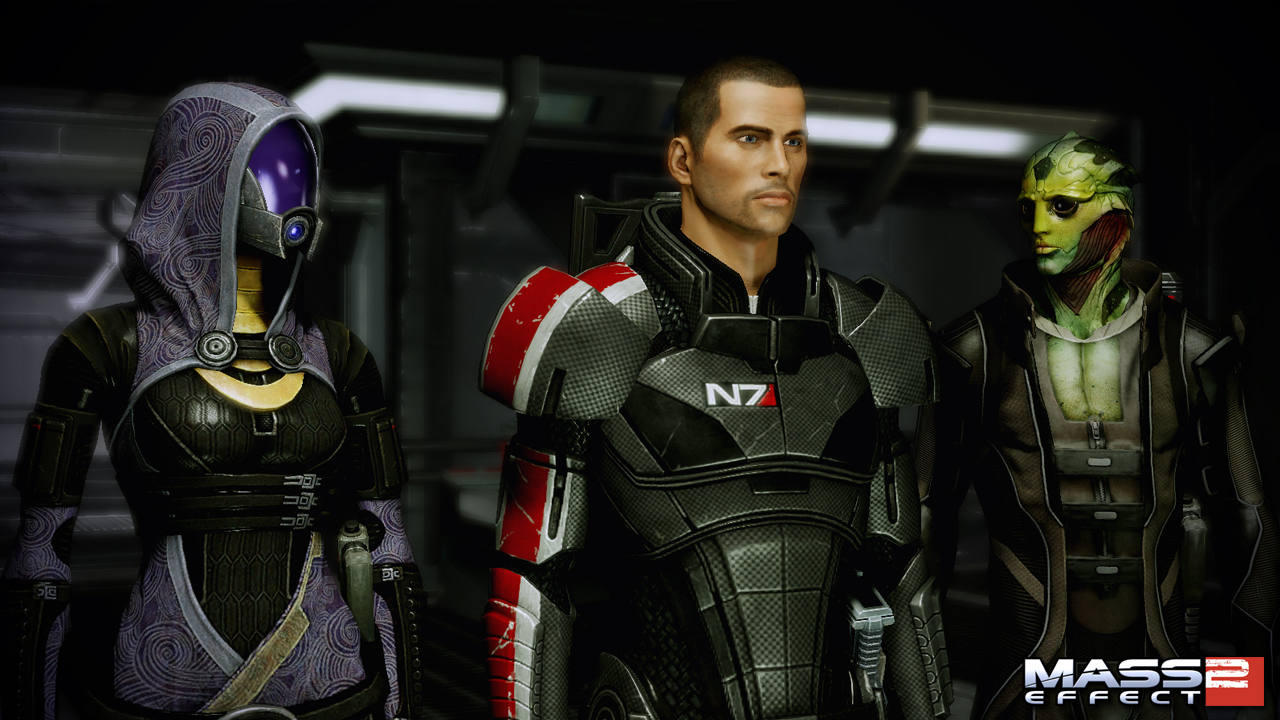
At first, I thought that after "Mass Effect" there was simply no room for anything bigger. But then "Mass Effect 2" knocks politely on the door and says, “Check this out.” The story remains as epic as ever. The game starts at full speed, throwing you into a spectacular prologue so breathtaking that you almost expect the credits to roll right after. But no — Shepard is back in action, and this time he must assemble the most eccentric team in the history of the galaxy to face a new threat: the Collectors. This is no longer just an RPG with shootouts — it’s practically a space opera filled with personal drama, moral debates, and of course Joker’s sarcastic jokes aboard the Normandy.
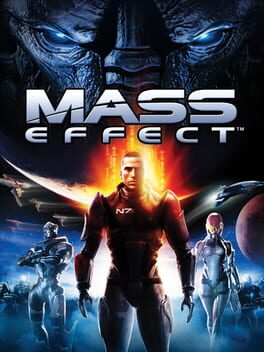
One mechanic really impressed me — something I hadn’t encountered in my modest gaming experience: you can import your choices from the first game. And those choices mattered. For instance, at one point you had to make a tough decision that inevitably led to the death of a crew member. In Mass Effect 2, you can specify what you did previously, and the game will fully acknowledge it. The same applies to many decisions from the first game, making this sequel feel like a natural continuation of your own personal story.
You still control Commander Shepard, who continues to shape the narrative by choosing different dialogue options. This alone gives the game enormous replay value — you can rebuild relationships with different crew members or make fateful decisions that will echo even into the third game of the trilogy.
Armor customization now feels like shopping in a fashion boutique. Want to be bright green like a salad? Prefer a neutral blue tone? Go ahead. You can even tweak the overall shape of the armor to look intimidating… or ridiculous, if that’s your thing. The main point, of course, is to stay alive in space. Jokes aside, stats matter more than style — though finding a good balance between the two is surprisingly easy.
A new feature is fuel management during travel between systems. At first, I thought this would turn into a long-haul trucker simulator with constant refueling. But in reality, everything is far simpler: you have enough fuel, refuel stations are available, and there’s no need to worry — unless you forget that fuel does eventually run out, especially when you're happily exploring another corner of the galaxy.
Weapons have changed too — forget about overheating. Now you have thermal clips! It sounds small, but trust me: when you suddenly find yourself unarmed in the middle of a firefight, you start appreciating every single reload. The game also adds small minigames like bypassing locks or matching symbols — little diversions that pleasantly break up the shooting and add more variety to the gameplay.
Skill progression is more intricate now. You can take your time figuring out which abilities to prioritize and how to allocate points effectively. Or you can do what I did — smash “auto upgrade” and hope Shepard knows what he’s doing.
The missions themselves became far more interesting. There’s one on a planet where you have to stay in the shadows of buildings to avoid being roasted by the scorching sun. Another involves tailing a target and feeding intel to your teammate via comms. The game throws lots of different scenarios your way, and although you still end up mowing down enemies in bulk, the variety is genuinely refreshing.
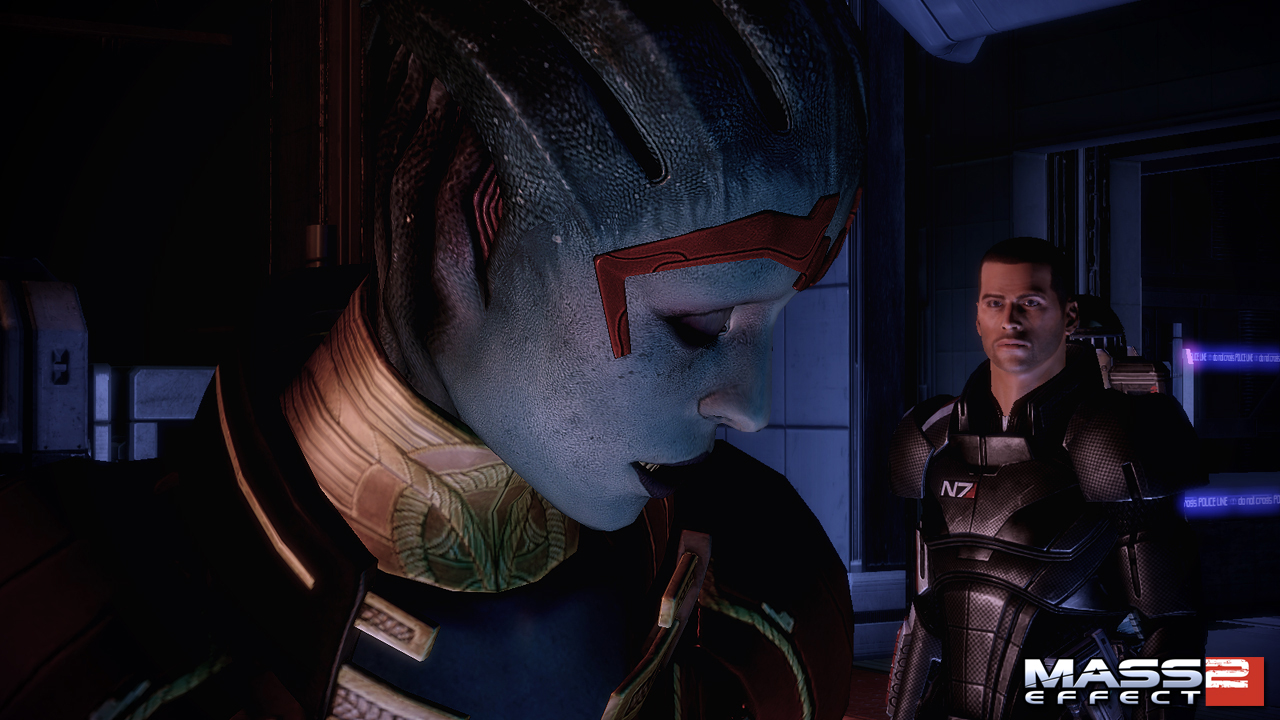
The loyalty missions deserve special mention. They’re incredibly important here. Shepard helps his squadmates with personal issues — family troubles, unresolved past trauma, or simply emotional baggage. You bring the character in question along for their mission, which lets you see who they truly are. It feels like watching a TV show: at first you’re indifferent, and then suddenly you’re deeply invested, hoping desperately not to lose this particular crew member in the final mission. These quests are well-written, unique, often dramatic — and they enrich the story in meaningful and very personal ways.
To make sure no one dies in that infamous final mission, you must also keep track of resources. You gather them from planets through a simple yet addictive scanning minigame. At first, I didn’t get the point — tried it once and forgot about it. But later, I realized resources are key to upgrading the Normandy. And those upgrades directly determine who survives the endgame and who ends up drifting through space as a corpse. It’s a simple but engaging mechanic that encourages exploration and makes resource gathering genuinely rewarding.
The graphics have been polished — everything looks smoother and more vibrant. Faces are livelier, explosions brighter, space more beautiful. Which makes perfect sense — time passed, and technology evolved.
"Mass Effect 2" is a fantastic sequel that not only expands and deepens the universe, but improves on virtually everything from the first game. The story is top-notch, and the final missions let you feel the full emotional tension of a narrative that — one can only hope — will someday be adapted into a high-quality series or film. I have no idea how they’d handle all the player-driven choices, but surely someone could figure it out. The game has more drama, more action, more customization. For fans — it’s a must. For newcomers — it’s the perfect reason to start an epic journey among the stars.
8 out of 10