













For All Mankind(2019)
The fight for freedom lies beyond the stars.
Imdb
8.10
86K VotesTmdb
7.70
890 VotesViewings
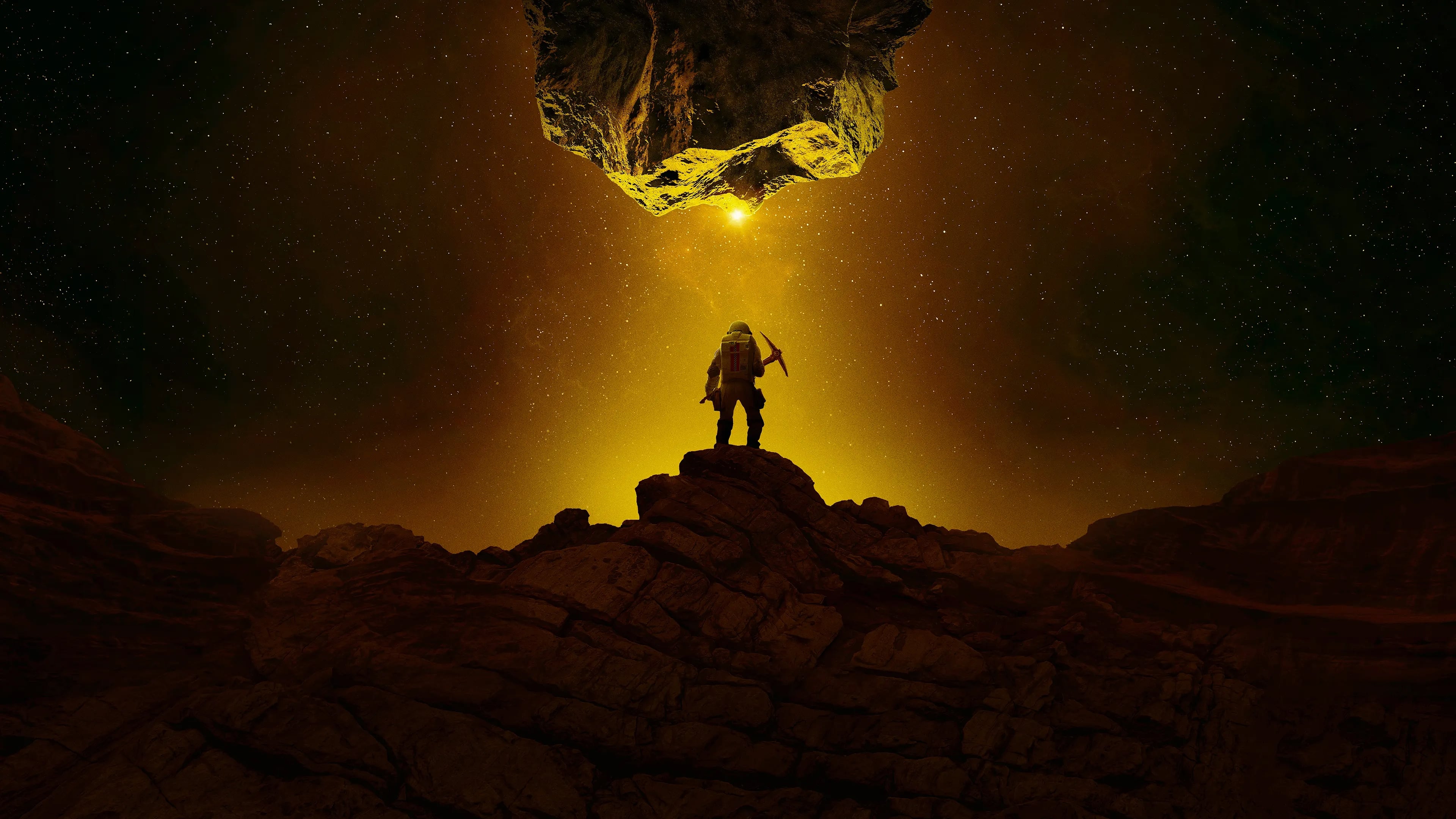
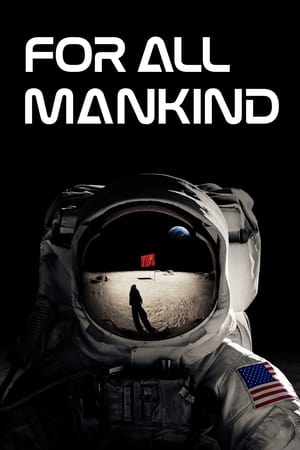
Explore an aspirational world where NASA and the space program remained a priority and a focal point of our hopes and dreams as told through the lives of NASA astronauts, engineers, and their families.
Seasons
8.10
S5 | 10 Eps
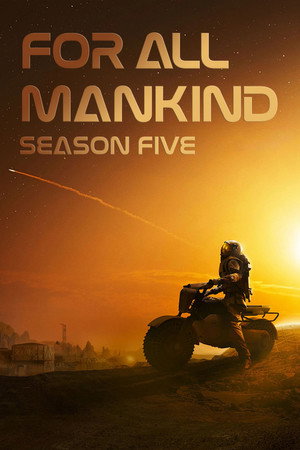
Season 5
8.10
S4 | 10 Eps
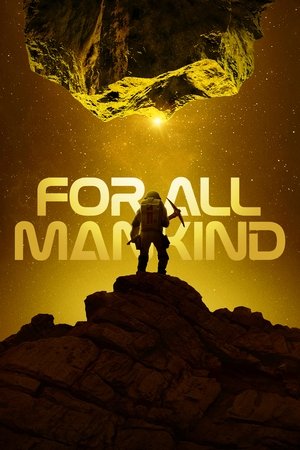
Season 4
8.10
S3 | 10 Eps
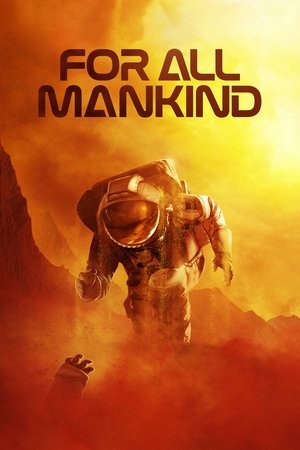
Season 3
8.10
S2 | 10 Eps
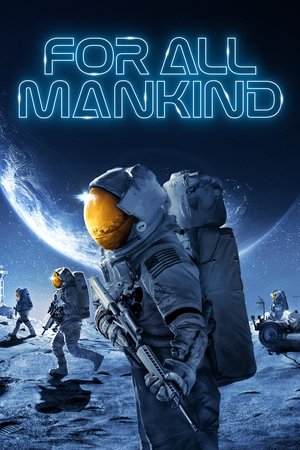
Season 2
8.10
S1 | 10 Eps
Season 1
Cast
Infos
Seasons
5
5
Episodes
50
50
Episode Duration
46 minutes
46 minutes
People Interested
24
24
People Watching
50
50
People Finished
48
48
Release Status
Currently Airing
Currently Airing
Current Episode
S05E02
S05E02
Next Episode
S05E03
S05E03
Next Episode at
Thursday 12:00 AM
Thursday 12:00 AM
Start
11/1/2019
11/1/2019
End
5/28/2026
5/28/2026
Original Language
English
English
Origin Country
United States
Reviews
aleks-predator
7 months ago
10
A Lifetime Story About Space — But Above All, About People
The project "For All Mankind" grabbed my attention first and foremost because of its alternative history concept. I’ve always admired writers who can craft compelling “what if” scenarios — when the world takes a different turn at some crucial moment. And a storyline where Soviet cosmonauts, not Americans, are the first to set foot on the Moon instantly hooked me. Add to that the fact that the show comes from Apple TV+, which for me is already a mark of quality.
The first season is set in the 1960s and focuses on the space race between the eternal rivals: the United States and the Soviet Union. Yes, the show has its fair share of “vodka-and-balalaika” clichés when it comes to portraying the USSR, but to its credit, it handles the sensitive aspects of that distant era carefully and respectfully. The creators aimed to present a balanced picture, steering clear of the usual oversimplified approach where one side are the noble good guys and the other side are humanity’s scourge and universal villains. Where the truth lies — that’s left for each viewer to decide.
The series is packed with events while also delving into the technical side of space exploration: the science, the engineering, the calculations, and all the little details that go into it. You can feel the creators’ commitment to authenticity. I’m no expert in astronautics, but everything looked convincing and realistic to me. The writers clearly went out of their way to ensure that even an average viewer can follow what’s happening and why.
Visually, the show is stunning. The days when TV series were considered second-rate compared to big-screen films are long gone. "For All Mankind" is crafted with remarkable care and richness. Most of all, it nails the sense of time and place. The sets, costumes, hairstyles — all meticulously recreated, transporting us back to the Cold War era, the Cuban Missile Crisis, and the years when today’s grandparents were just being born. And as the seasons progress, so does the technology. You can see it in the spaceships, in the suits, in the computers, even in the everyday objects the characters use.
But for me, all of that — the authenticity, the production design, the technology — is important yet not the main thing. What matters most are the people. The series shines in telling the personal stories of those who live through and shape these events. Dozens of characters cross paths, fall in love, clash, form friendships, rivalries, and together open new worlds “for all mankind.”
That’s possible thanks to the outstanding work of the writing team. They strike a fine balance between science fiction and human drama, throwing their characters into diverse situations and showing their growth over years, even decades. It’s fascinating to watch. You naturally find your favorites, some characters get on your nerves, but the beauty is that everyone matters. It feels like a real, breathing world — full of people who fight, adapt, love, betray, stand up for their causes, and dare to turn humankind’s dream of reaching the stars into reality. These may be the first steps, but I like to believe they point toward future worlds waiting to be discovered, somewhere out there among other suns.
The cast is another strong point. Every actor leaves a mark, no matter how big or small their role. I honestly couldn’t single anyone out as “the best” — each performance felt important, each actor added to why I fell for this show. Still, I should highlight Joel Kinnaman, Wrenn Schmidt, Chris Marshall, Jodi Balfour, and Shantel VanSanten — they really stand out.
The stories are consistently engaging, rarely predictable, and often surprising. Just when you think you know where things are headed, the show throws in a twist that keeps you hooked. "For All Mankind" is a brilliant series, made with heart and brought to life by a fantastic team. After every season, I find myself impatiently waiting for the next one, which leaps forward in time and gets us closer to the present day. I can’t wait to eventually compare — our real world and the show’s imagined one, where anything seems possible.
10 out of 10
Related Titles
Recommended Titles
Collections
Episode Quality
Masterpiece
Great
Good
Meh
Bad
Awful