







The Ox-Bow Incident(1943)
Lynch law rules the mob!
Imdb
8.00
28K VotesTmdb
7.70
436 VotesViewings
No viewings yet. Add one to start tracking.
A posse discovers a trio of men they suspect of murder and cow theft and are split between handing them over to the law or lynching them on the spot.
Where to watch

Infos
Runtime
76 minutes
76 minutes
Directed by
William A. Wellman
William A. Wellman
Written by
Lamar Trotti
Lamar Trotti
People Finished
6
6
Release Status
Finished
Finished
Release Date
3/11/1943
3/11/1943
Original Language
English
English
Origin Country
United States
Cast
Recommended Titles
Reviews
aleks-predator
5 months ago
7
The Crowd Is Always Sure It's Right
I remember sitting down to watch this film with no knowledge of the synopsis, fully convinced I was about to see another western. It turned out to be nothing of the sort. The viewing became an unusual experience laden with moral dilemmas — and that is exactly what "The Ox-Bow Incident," directed by William Wellman, turned out to be for me. Honestly, I didn't expect a film nearly eighty years old to be able to dissect the subject of mob justice so calmly and so ruthlessly.
The story begins when a crime occurs in a small town, and very quickly a group of people assembles — people who decide not to wait for the law to take its course, but to take matters into their own hands. Three strangers fall under suspicion, and from there begins the most terrifying and compelling part: watching a mob decide the fate of human beings.
The premise is simple, but it works without fail. The people are frightened, angry, hungry for justice — and at a certain point that hunger for justice (as they understand their own actions) transforms into a desire to punish someone, anyone. And that is where the film begins to work with genuine force.
It is hard to watch. Because you understand that you are not looking at cartoonish villains — these are ordinary people. And that is precisely what frightens you most. They pronounce the verdict themselves and prepare to carry it out themselves. One of the most chilling moments comes just before they do: they hold what amounts to a small feast. They eat, talk, laugh. And then they go to kill the men who were just sitting beside them at that same table. That scene made me deeply, genuinely uncomfortable.
The film examines the important subject of lynching — when a mob acts simultaneously as accuser, judge, and executioner. And this practice was once widespread, which is almost incomprehensible by today's standards. Yet one must remember that crowds have a way of releasing people's brakes. Morality recedes, the animal instinct begins to dominate. The people involved, of course, would rarely admit this — not even to themselves. A crowd dissolves the boundaries of individual responsibility and makes everything feel simpler. That is simply a fact. But knowing it doesn't make it any easier to witness.
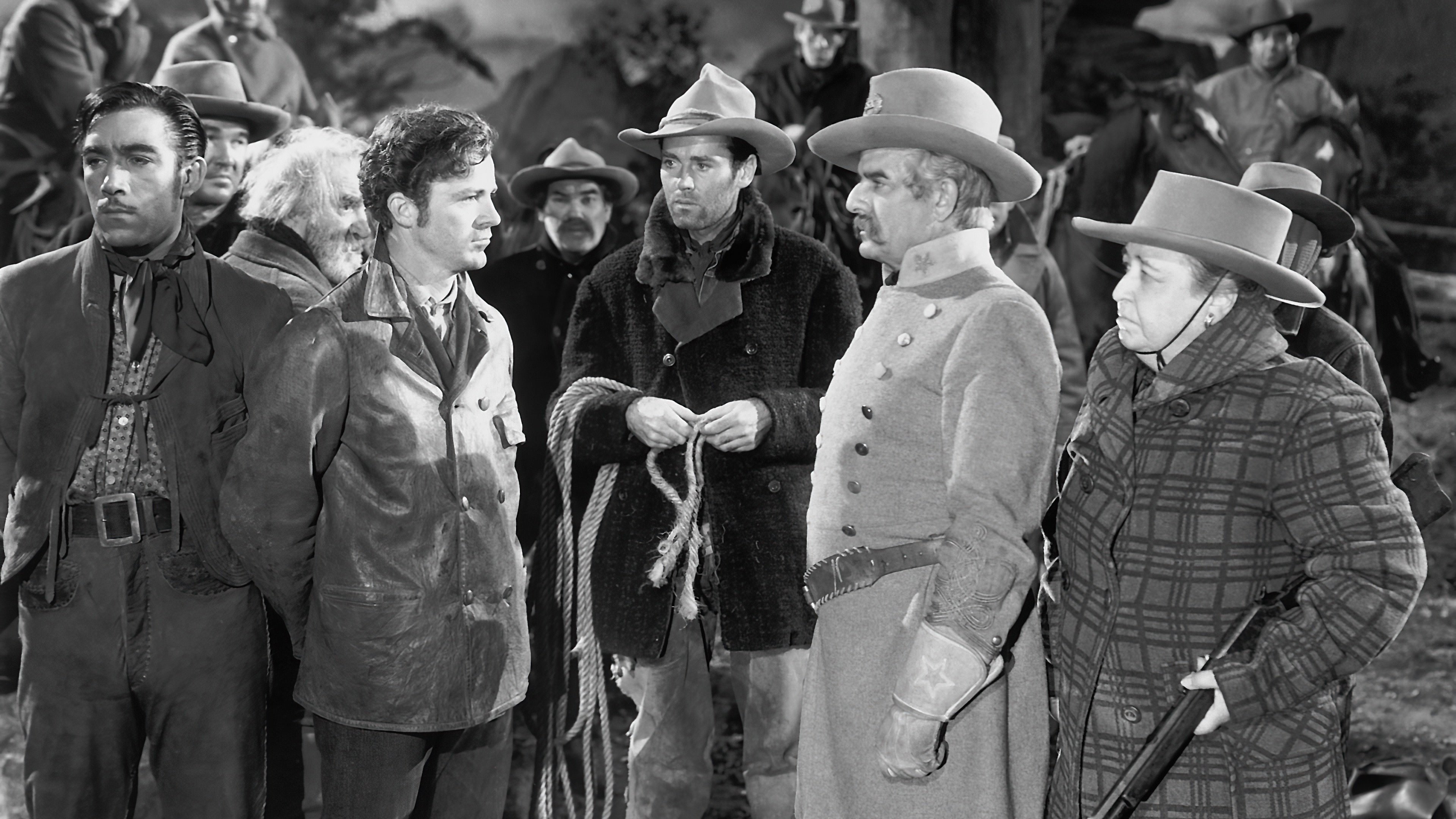
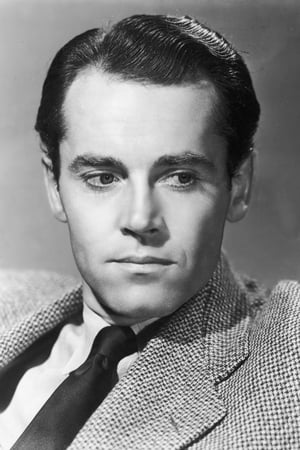
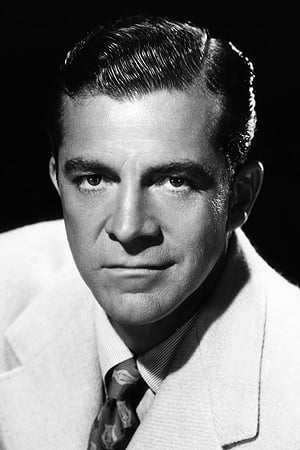
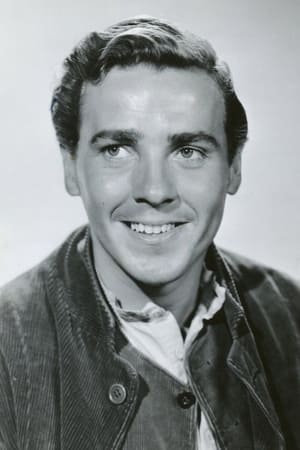
The performances throughout are extremely strong. Henry Fonda is, as always, powerful and measured, with that particular look of a man who understands that something deeply wrong is happening. Dana Andrews and Anthony Quinn also fit seamlessly into the story — they stayed with me especially. In general, it's difficult to single anyone out here; the entire ensemble carries its weight.
The most compelling thing to observe is the behavior of the crowd itself. At first everyone is certain: punishment is needed. Then gradually doubts surface. Someone starts asking questions; someone is no longer quite so sure of their righteousness. You watch opinions shift before your eyes in real time.
But something else cuts even deeper. When it comes to actual action, some of the people suddenly begin to pull back. One turns away; another says he was "just standing nearby." And in that moment you find yourself feeling open contempt for them. Because the decision was made together by everyone — yet now no one wants to be accountable. It's such clean, ugly hypocrisy that it leaves you wanting to say just one thing: what on earth do you think you're doing?
The filmmaking is precise throughout. Wellman doesn't overload his scenes, but he knows how to frame a shot so that the tension is felt almost physically. Night, faces in half-shadow, glances — everything serves the atmosphere. The cinematographer handles light and shadow with skill, and in certain scenes this is done particularly brilliantly, when the subject of attention stays just off-screen but their shadow tells the viewer everything that's happening.
The ending didn't feel unexpected to me exactly — there was a sense throughout that everything was heading there. But that doesn't make it any lighter. On the contrary: you understand that it probably couldn't have gone any other way. And that makes it only heavier.
"The Ox-Bow Incident" is not an ordinary old western. In fact, to my mind, it isn't really a western at all. It is a story about how easily people can cross a line — and how terrifying it is when a crowd begins to decide who is right and who is guilty. The film leaves behind a bitter feeling, and a thought: that the world hasn't changed quite as much as we might like to believe.
7 out of 10