

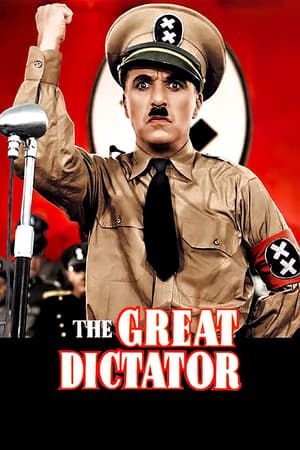



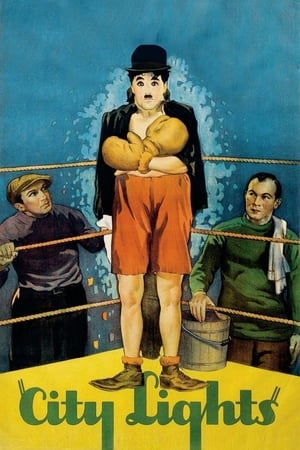


The Great Dictator(1940)
Once again - the whole world laughs!
Imdb
8.40
258K VotesTmdb
8.30
3.6K VotesViewings
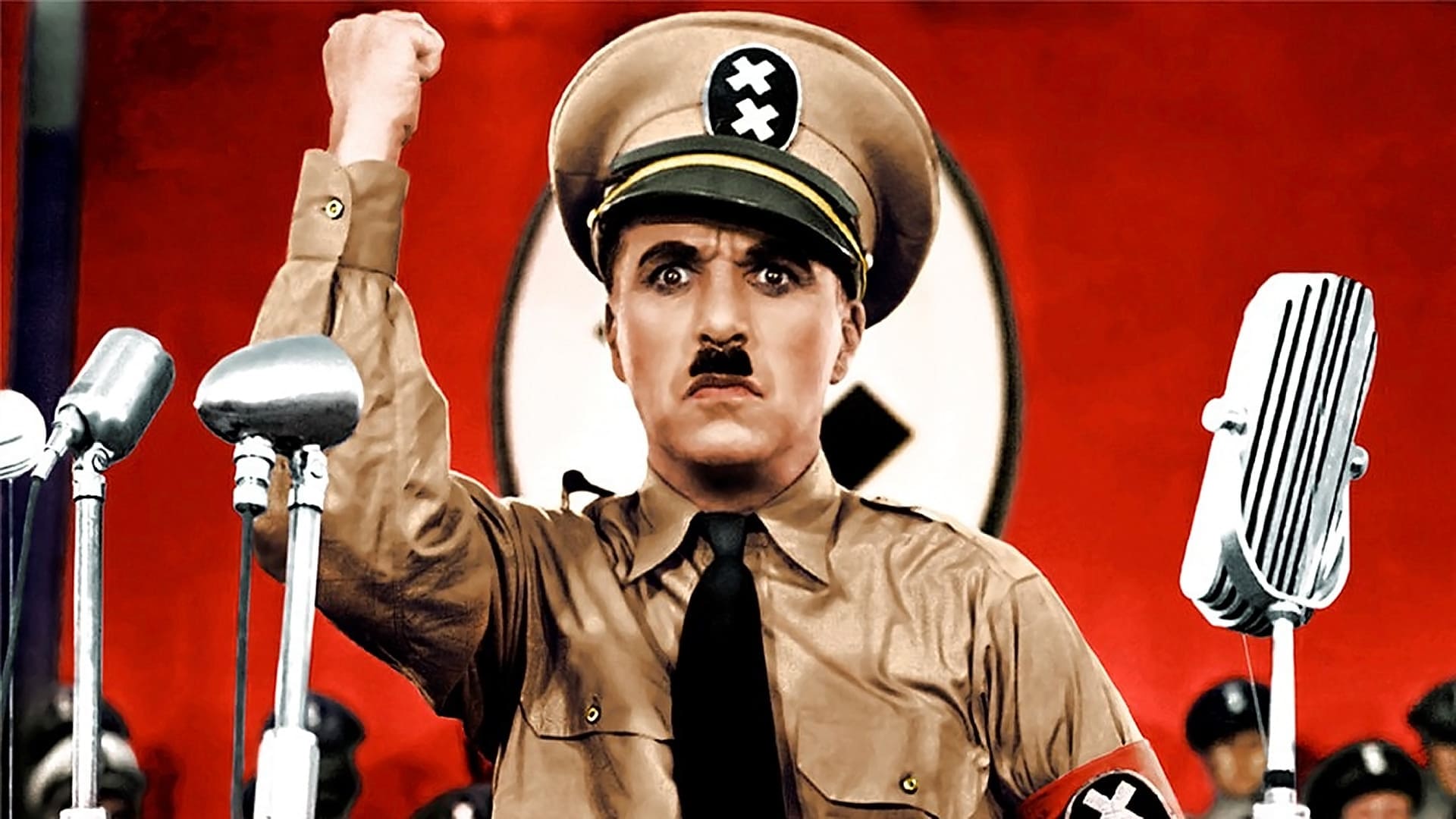
Dictator Adenoid Hynkel tries to expand his empire while a poor Jewish barber tries to avoid persecution from Hynkel's regime.
Infos
Runtime
125 minutes
125 minutes
Directed by
Charlie Chaplin
Charlie Chaplin
Written by
Charlie Chaplin
Charlie Chaplin
People Interested
16
16
People Finished
27
27
Release Status
Finished
Finished
Release Date
10/15/1940
10/15/1940
Original Language
English
English
Origin Country
United States
Cast
Related Titles
Recommended Titles
Reviews
aleks-predator
1 day ago
7
A Strong Production by a Great Genius
"The Great Dictator" is a film that, even today, feels less like a museum exhibit and more like a living statement. In 1940, Charlie Chaplin dared to do what few were willing to attempt at the time: to mock Adolf Hitler and the very essence of the Nazi regime while the war was already in full swing. And he did so not bluntly, but through satire, grotesque exaggeration, and remarkably sharp observations of human nature.
Chaplin’s film doesn’t simply laugh at a dictator. It reveals how easily power turns into farce and how grandiose rhetoric dissolves into emptiness. His Hynkel is caricatured, ridiculous, absurd—yet beneath the clownish surface there is a constant sense of danger. The film speaks about freedom, dignity, and equality through contrast: showing how one man can be a petty tyrant, while another can be ordinary, confused, yet deeply human.
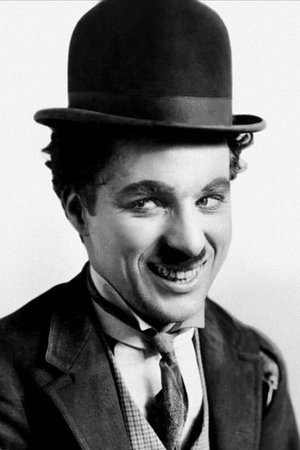
The dual role deserves special attention. Chaplin plays both the dictator Hynkel and the Jewish barber—two men who look alike on the outside but stand on opposite moral poles. This creative decision works exceptionally well. Without heavy exposition or direct explanation, it becomes clear where there is hollowness and where there is humanity. His physicality, facial expressions, and gestures communicate more than words ever could.
The visual choices are also striking: carefully composed shots, expressive use of light and shadow. Chaplin boldly plays with the audience’s emotions, portraying painful realities without losing hope or faith in humanity.
I would describe "The Great Dictator" not merely as a film about the past. It feels more like a warning about a possible future—about what may happen if we fail to respect and value one another. Chaplin addresses seemingly simple but profoundly important ideas that remain relevant today. He speaks about inequality and political abuse of power in a way that still resonates.
It’s a good film. Not quite a masterpiece in my view, but its five Academy Award nominations clearly reflect its significance for cinema and for generations of viewers. It entertains with its comedic core while encouraging us to see much more beneath the surface.
7 out of 10