We Will Be Together in Every Lifetime
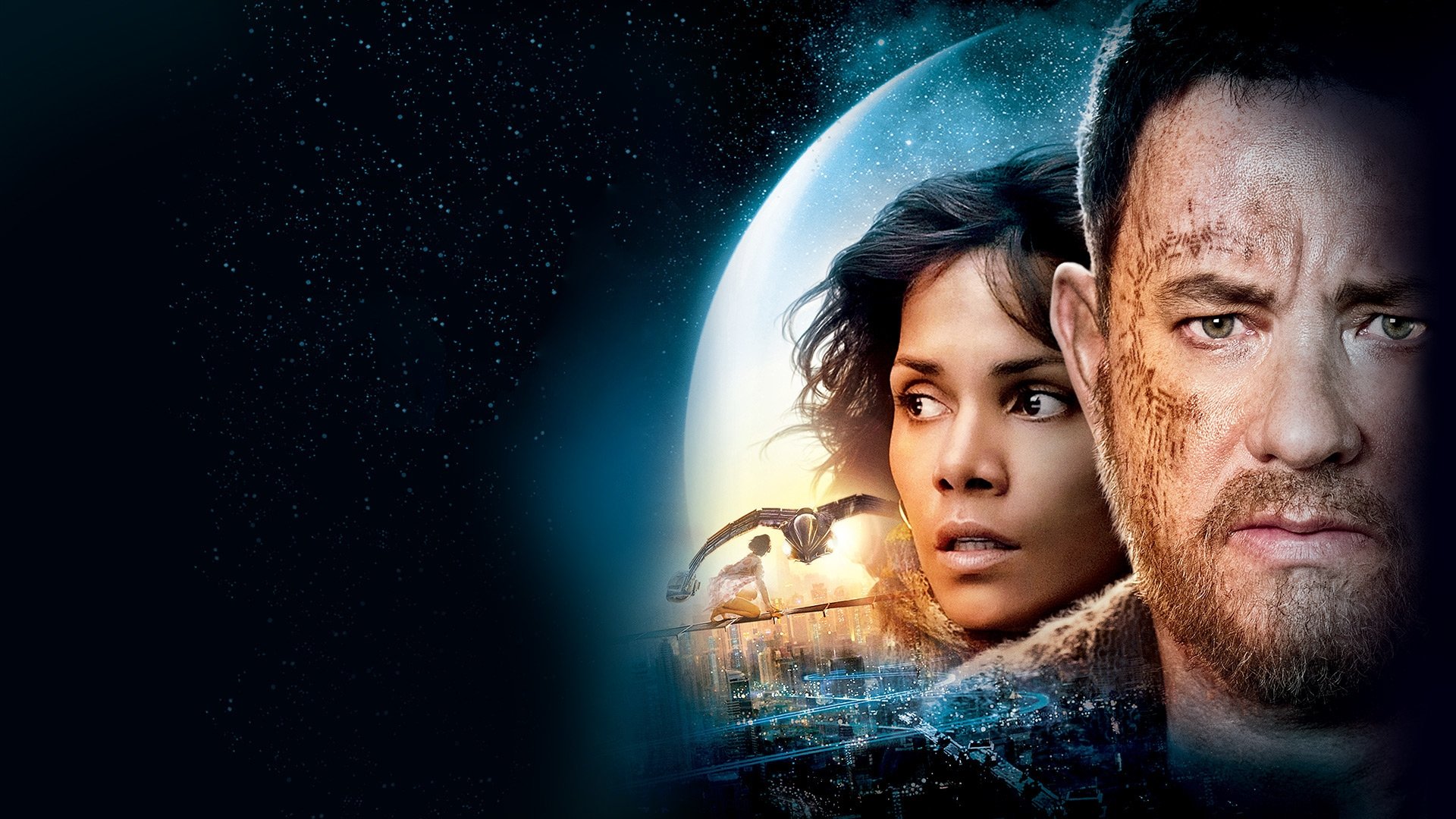
Some films leave you sitting in silence long after they've ended, unable to switch to anything else. The credits have already rolled, yet your thoughts keep circling around what you've just seen. "Cloud Atlas" was that film for me. This isn't something you watch one evening and forget. It's vast, complex, and extraordinarily all-encompassing.
The picture was directed by three filmmakers simultaneously — Lana Wachowski, Lilly Wachowski, and Tom Tykwer. And the ambition of their undertaking is considerable. The film contains six separate stories set in different eras, spanning from the nineteenth century to the distant future. At first they seem like entirely separate narratives. But gradually you begin to understand: there are connections between them. Human destinies seem to echo across time, and actions from one era can reverberate in another.
The structure of the film is, to put it mildly, not simple. The stories constantly shuttle the viewer from one period to another. Just as you've settled into one storyline, you're swept away to the next. But after a while you find yourself drawn in. A feeling emerges — as if you're watching an enormous mosaic, its pieces gradually assembling into a coherent whole. And the further you go, the more rewarding it becomes to find those connections.
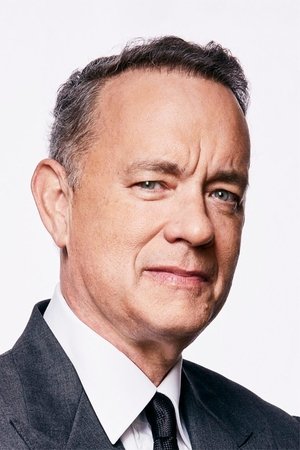
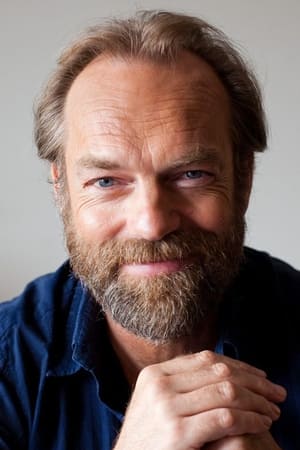
A particular pleasure for me was the cast. The film assembles a very strong ensemble: Tom Hanks, Halle Berry, Hugh Grant, Susan Sarandon, Hugo Weaving, Jim Broadbent, Jim Sturgess, Ben Whishaw, Bae Doona, Keith David, David Gyasi. And the most remarkable thing — almost every one of them plays multiple roles. Sometimes it's genuinely impossible to recognize an actor beneath the makeup. I had a funny moment with the Mauna Kea storyline, where a hunter appears, and only after the film did I realize it was Hugh Grant. Until I saw the credits, I hadn't the faintest idea.
Each of the stories addresses its own particular concern. One deals with the status of women and the struggle for equal rights. Another raises the question of how society treats the elderly — and how it sometimes simply tries to write them off. There is a story about racism and cultural difference. All of these themes are delivered through the lives of specific individuals, which means they come across not as lectures but as living, breathing stories.
What's also interesting is that the film looks not only backward but forward. One storyline unfolds in the future and poses some genuinely unsettling questions — for instance: how will people treat clones? Will they be considered our equals, or will humanity once again find a reason to divide everyone into "us" and "them"? And there is another thought about technology: what happens when it becomes so complex that it begins to seem like magic?
The screenplay itself is rich. There is much reflection on freedom, on justice, on the ways in which people are bound to one another. The film can make you laugh and hit you emotionally in equal measure. It leaves behind a strange feeling — a mild sadness. Sadness about what humanity has already been through, and about how many of those same problems remain unresolved.
Visually the picture is also impressive. Each era has its own distinct look: nineteenth-century ocean voyages, a neon-lit futuristic Asian megalopolis, familiar contemporary settings, a distant post-apocalyptic future. The filmmakers aimed for real scale in realizing all of this, and it's shot with vibrancy and atmosphere throughout. Add to that a worthy soundtrack that binds the different parts of the film together with great effect.
But what lingers most after watching is thought. "Cloud Atlas" invites you to think — about people, and about why history so often repeats the same mistakes. Again and again. Every century. And once more some consider themselves superior to others. The film shows how effortlessly prejudice is born, and the discrimination that flows from it. At the same time it reminds you that there have always been people willing to fight against it.
One would like to believe that someday humanity will finally learn to be kinder to one another. For now that sounds more like a dream. But films like "Cloud Atlas" at least make you stop and think about it. And in doing so, they're already doing something important.
10 out of 10