





GoodFellas(1990)
Three decades of life in the mafia.
Imdb
8.70
1.4M VotesTmdb
8.45
15K VotesViewings
No viewings yet. Add one to start tracking.
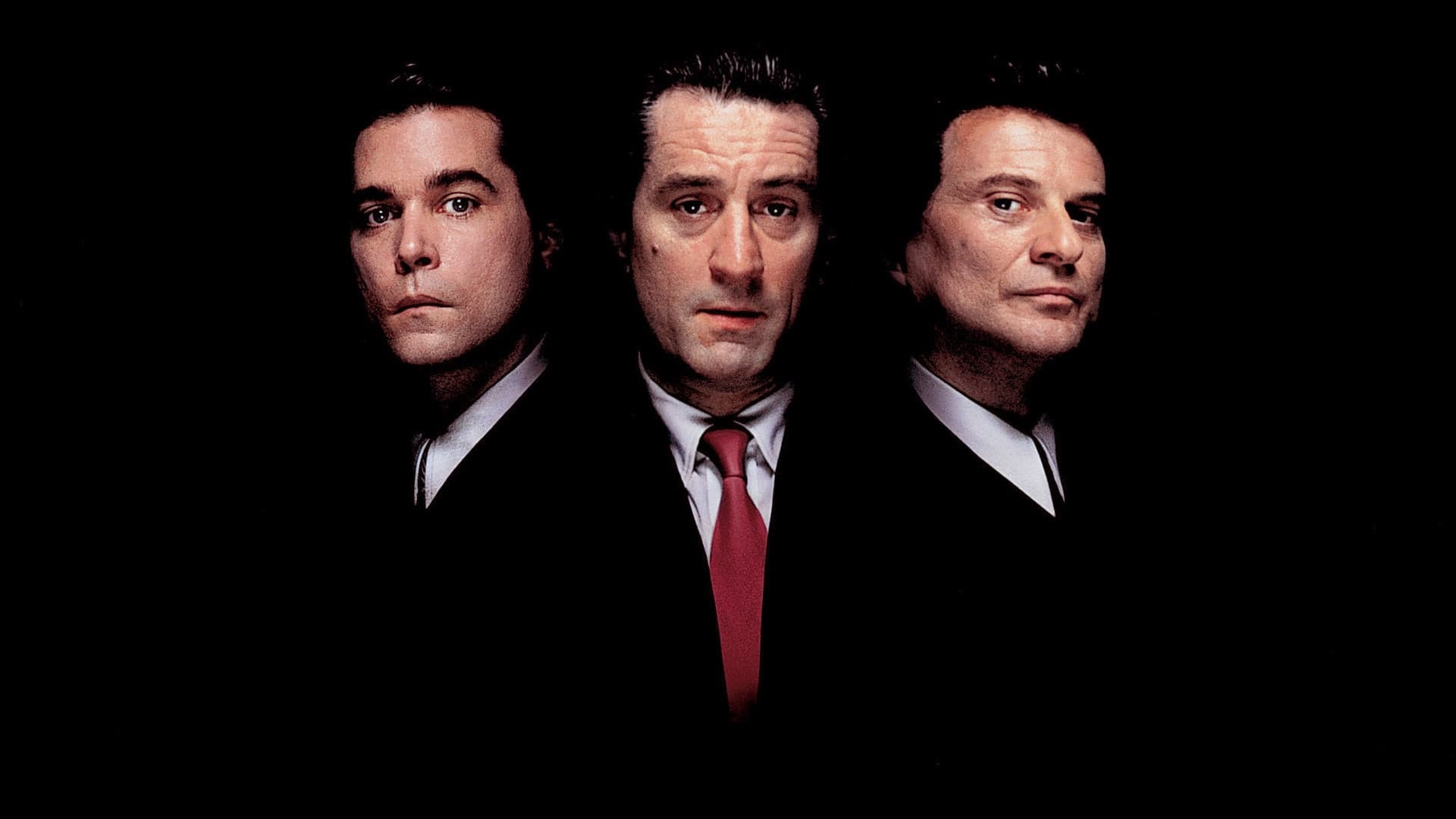
The true story of Henry Hill, a half-Irish, half-Sicilian Brooklyn kid who is adopted by neighbourhood gangsters at an early age and climbs the ranks of a Mafia family under the guidance of Jimmy Conway.
Where to watch

Infos
Runtime
145 minutes
145 minutes
Directed by
Martin Scorsese
Martin Scorsese
Written by
Martin ScorseseNicholas Pileggi
Martin ScorseseNicholas Pileggi
People Interested
42
42
People Finished
198
198
Release Status
Finished
Finished
Release Date
9/12/1990
9/12/1990
Original Language
English
English
Origin Country
United States
Cast
Related Titles
Recommended Titles
Reviews
aleks-predator
4 months ago
9
"As Far Back as I Can Remember, I Always Wanted to Be a Gangster"
"For me, a gangster was always better than a president" — I still remember those words, lodged in my head and still resonating. They capture the entire essence of "Goodfellas" in an instant: a worldview where values are inverted and success is measured by entirely different things.
Martin Scorsese's film is the story of Henry Hill — a kid who wanted to be in the mob from childhood. He gradually gets drawn into that life: small errands at first, then serious business, and eventually a full existence inside the criminal world. It's all presented without unnecessary romanticization, yet in a way that's almost impossible to pull away from.
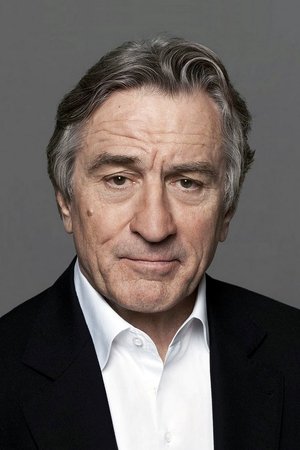
Alongside him are Jimmy Conway, played by Robert De Niro, and Tommy DeVito, played by Joe Pesci. That trio is one of the main reasons the film works. Each has his own character, his own principles, his own way of doing things. They rise together, solve problems together — but the further things go, the more tension builds between them.
Pesci in particular got to me. For a long time I knew him primarily through comedies — that same burglar from "Home Alone." Here he's a completely different person. His Tommy is explosive, dangerous, unpredictable. In one scene he can be joking; in the next he's already on the edge of snapping. That constant sense of threat emanating from him keeps you on edge throughout. He took the Oscar for this role — a deserved win.
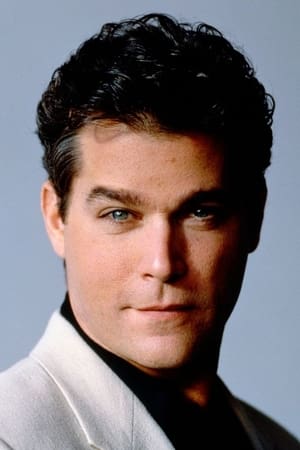
Ray Liotta as Henry is also excellent. It's through him that we live the entire story — watching a person change, watching this life draw him in deeper, watching it affect his decisions, his relationships, everything around him.
Scorsese directs it all with a particular kind of energy. Long tracking shots, sharp but precise editing, music that fits each scene perfectly — all of it creates the feeling that you're inside this story. The atmosphere is alive, tense, at times almost suffocating.
And yet the film is about more than crime. It's about the people inside that system — their choices, habits, fears. About how a life like this gradually eats you from within. At first it seems exciting, then it becomes normal, and then it's too late to get out. What's interesting is that the film never becomes moralistic. It simply shows. And you draw your own conclusions.
The awards reflect the film's quality: the Oscar for Pesci, recognition at BAFTA, attention at the Venice Film Festival — the picture took what it deserved.
Films like this are almost never made anymore. Perhaps the times have changed; perhaps there are simply no longer people who feel this genre with the same precision. But that only makes "Goodfellas" more valuable. This is a film you can return to. And every time, find something new in it.
9 out of 10