

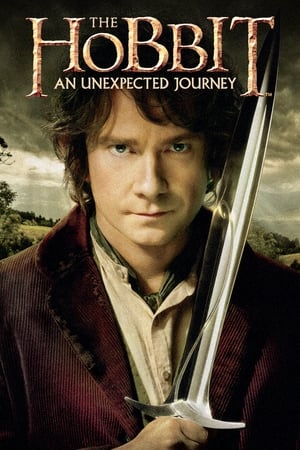






The Hobbit: An Unexpected Journey(2012)
From the smallest beginnings come the greatest legends.
Imdb
7.80
940K VotesTmdb
7.39
20K VotesViewings
No viewings yet. Add one to start tracking.
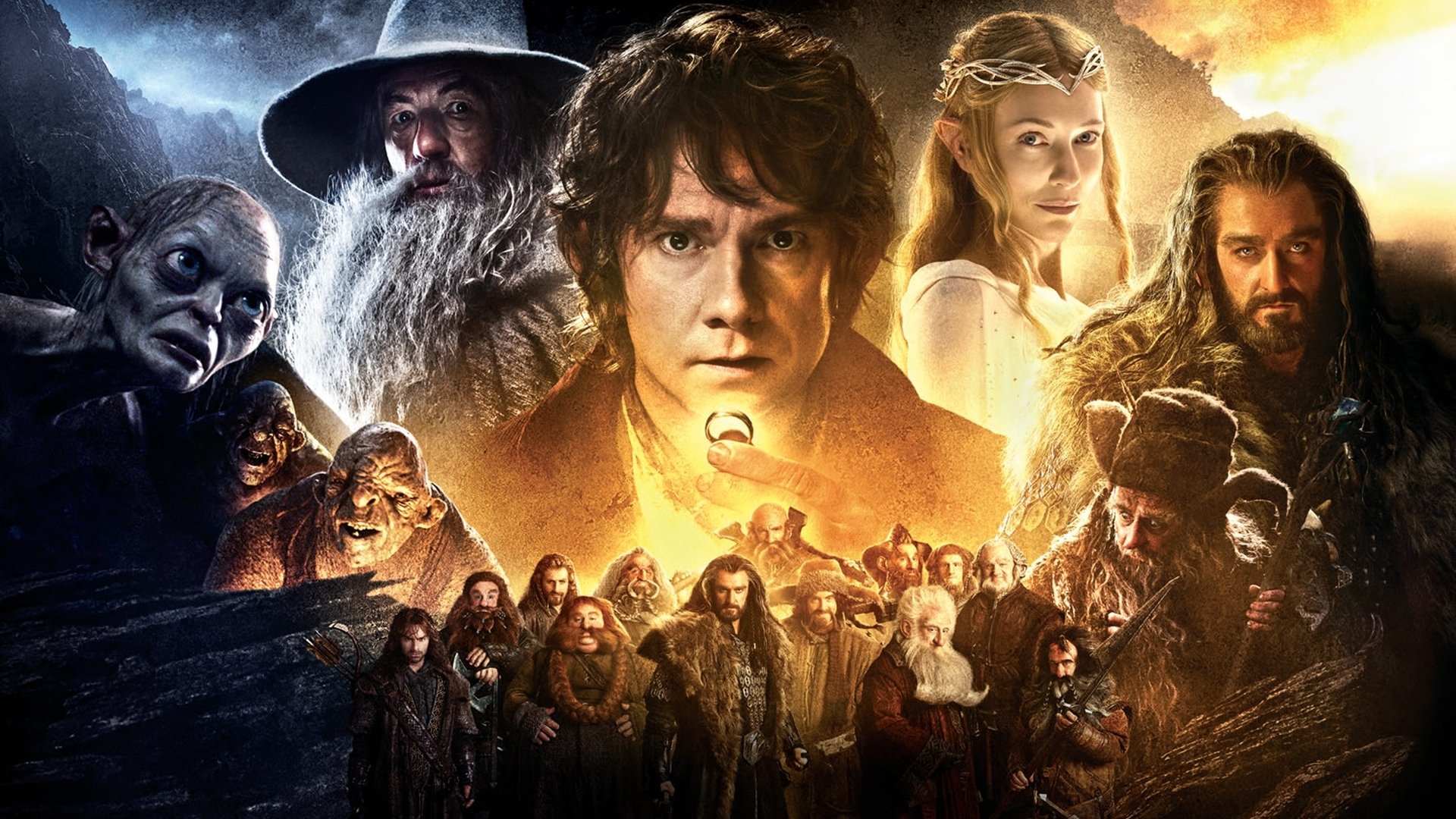
Bilbo Baggins, a hobbit enjoying his quiet life, is swept into an epic quest by Gandalf the Grey and thirteen dwarves who seek to reclaim their mountain home from Smaug, the dragon.
Where to watch

Infos
Runtime
169 minutes
169 minutes
Directed by
Peter Jackson
Peter Jackson
People Interested
17
17
People Finished
304
304
Release Status
Finished
Finished
Release Date
12/12/2012
12/12/2012
Original Language
English
English
Origin Country
New Zealand
United States
Cast
Recommended Titles
Reviews

Sebastian
7 months ago
5
people say it's decent but no, its fucking not.this movie is dog shit. might be interesting if i i was 12. Liked it as a kid, hated it now. the disney songs fucking ruined it and it all sucks balls. the humor is ass
aleks-predator
4 months ago
9
The Adventure of an Important Hobbit
"The Hobbit: An Unexpected Journey" was released in 2012 and brought us back to the beloved world of Middle-earth. Behind the camera was once again Peter Jackson, and that alone was enough to get my attention. After all, he was the filmmaker behind The Lord of the Rings, so I was curious to see how he would approach **The Hobbit>, a much lighter and more compact adventure centered around a hobbit. In my opinion, the result is grand, spectacular, occasionally controversial—but never boring.
One particularly interesting decision was turning a single book into a trilogy. Tolkien's "The Hobbit" is, above all, an adventure fairy tale, lacking much of the epic scope and tragedy that define The Lord of the Rings. Jackson took a clever approach: he expanded the story with additional events, introduced new storylines, and broadened Tolkien's world. At times, this works wonderfully, giving the narrative greater depth and adding connections to the events that lie ahead. That said, there are moments when the runtime feels stretched. Some scenes could certainly have been shorter. Still, I can't complain—it was simply a pleasure to return to Middle-earth. I've also heard plenty of people argue that the book was expanded into three films mainly to maximize profits. It's hard to dismiss that argument entirely. It certainly sounds plausible.
Visually, the film is stunning. I'd describe it as a feast for the eyes. Everything—from Bilbo's cozy home to the breathtaking landscapes, from underground caverns to towering mountain passes—has been crafted with obvious love and care. You can tell Jackson approached the project as a genuine fan, and that passion shines through. Middle-earth feels alive, inviting you to spend as much time there as possible. Even simply admiring the sets and costumes is a pleasure.
The cast deserves special praise as well. Martin Freeman was an excellent choice for Bilbo Baggins. He's wonderfully natural—slightly awkward, kind-hearted, yet possessing quiet determination. Ian McKellen returns as Gandalf, and there are no surprises there: he's simply irreplaceable. Richard Armitage as Thorin Oakenshield, however, left me with mixed feelings. In Tolkien's book, Thorin came across differently, whereas here he feels less like a rugged dwarf and more like a heroic leader with unmistakably Hollywood looks. Still, Armitage gives a powerful performance, and his charisma is undeniable. For this cinematic interpretation of Thorin, it works.
The sequence featuring Gollum is one of the film's highlights. It's brilliantly crafted, full of tension, and Andy Serkis once again steals the show, despite having relatively little screen time. The action scenes also bear Jackson's unmistakable signature: dynamic, expertly choreographed, and consistently exciting. Trolls, orcs, thrilling chases—there's always something spectacular to watch.
The score by Howard Shore is wonderful. From the very first notes, you know you've returned to a familiar world. The music works equally well during epic battles and quieter emotional moments. The dwarves' theme, in particular, stayed with me. There's something ancient and profound about it. And the song early in the film still gets stuck in my head.
Overall, "The Hobbit: An Unexpected Journey" is a strong beginning to a new trilogy. Its tone is different from The Lord of the Rings—lighter, more fairy-tale-like in places—but it preserves the same spirit of adventure. You could criticize the film for being overlong or for taking itself a bit too seriously in moments where the original novel embraced simplicity. But those are minor complaints compared to the sheer joy of returning to Middle-earth.
9 out of 10