









Black Swan(2010)
"I just want to be perfect."
Imdb
8.00
896K VotesTmdb
7.70
16K VotesViewings
No viewings yet. Add one to start tracking.
A committed dancer struggles to maintain her sanity after winning the lead role in a production of Tchaikovsky's "Swan Lake."
Where to watch

Infos
Runtime
108 minutes
108 minutes
Directed by
Darren Aronofsky
Darren Aronofsky
Written by
John J. McLaughlinMark HeymanAndres Heinz
John J. McLaughlinMark HeymanAndres Heinz
People Interested
33
33
People Finished
162
162
Release Status
Finished
Finished
Release Date
12/3/2010
12/3/2010
Original Language
English
English
Origin Country
United States
Cast
Recommended Titles
Reviews
aleks-predator
3 months ago
9
When the Lights Go Out, She Takes the Stage
I first watched "Black Swan" by Darren Aronofsky back in 2010, when it was originally released. Many years have passed since then, but the impression it left remains vivid. This is one of those films that stays with you long after the credits roll. The story of a ballerina who gradually loses herself in the pursuit of perfection is both unsettling and mesmerizing.
Natalie Portman delivered what is arguably the finest performance of her career. Her Nina is more than just a ballerina—she is a person standing on the edge. She embodies fear, obsession, and pain. At first, she is quiet, restrained, and polite. Then she becomes broken, tense, and willing to go to any lengths for the leading role. Watching this transformation is difficult at times, yet impossible to look away from. It's clear how much effort Portman invested in the role, both emotionally and physically. Her ballet training was genuine, and it shows in every movement. The performance earned her the Academy Award for Best Actress, along with a Golden Globe, BAFTA, Saturn Award, Independent Spirit Award, Screen Actors Guild Award, and Critics' Choice Award.
Mila Kunis fits perfectly as Lily, Nina's rival and reflection—a character who seems to exist somewhere between reality and imagination. Meanwhile, Vincent Cassel, playing the company's artistic director, constantly fuels the tension by manipulating Nina like a puppet. There are no clear heroes or villains here. Every character is vivid and morally complex.
Aronofsky's direction is especially impressive. He skillfully blends psychological drama and thriller elements into a seamless whole without losing balance or momentum. He even manages to convey the physical reality of ballet—its pain, sacrifice, and relentless demands. The camera practically breathes down Nina's neck, following her every step until the audience begins to feel her anxiety and constant tension. The film's world is enclosed and almost claustrophobic, as if the stage itself, surrounded by mirrors, has trapped its protagonist. I still remember experiencing those sensations in a dark movie theater. They have stayed with me ever since.
The screenplay is excellent. It constantly blurs the line between reality and fantasy. You never know for certain what is truly happening and what exists only inside Nina's mind. Rather than confusing the audience, this approach pulls you deeper into the story. The film doesn't explain everything—it shows, leaving viewers to assemble the puzzle themselves. And when the pieces finally come together, the result is genuinely disturbing.
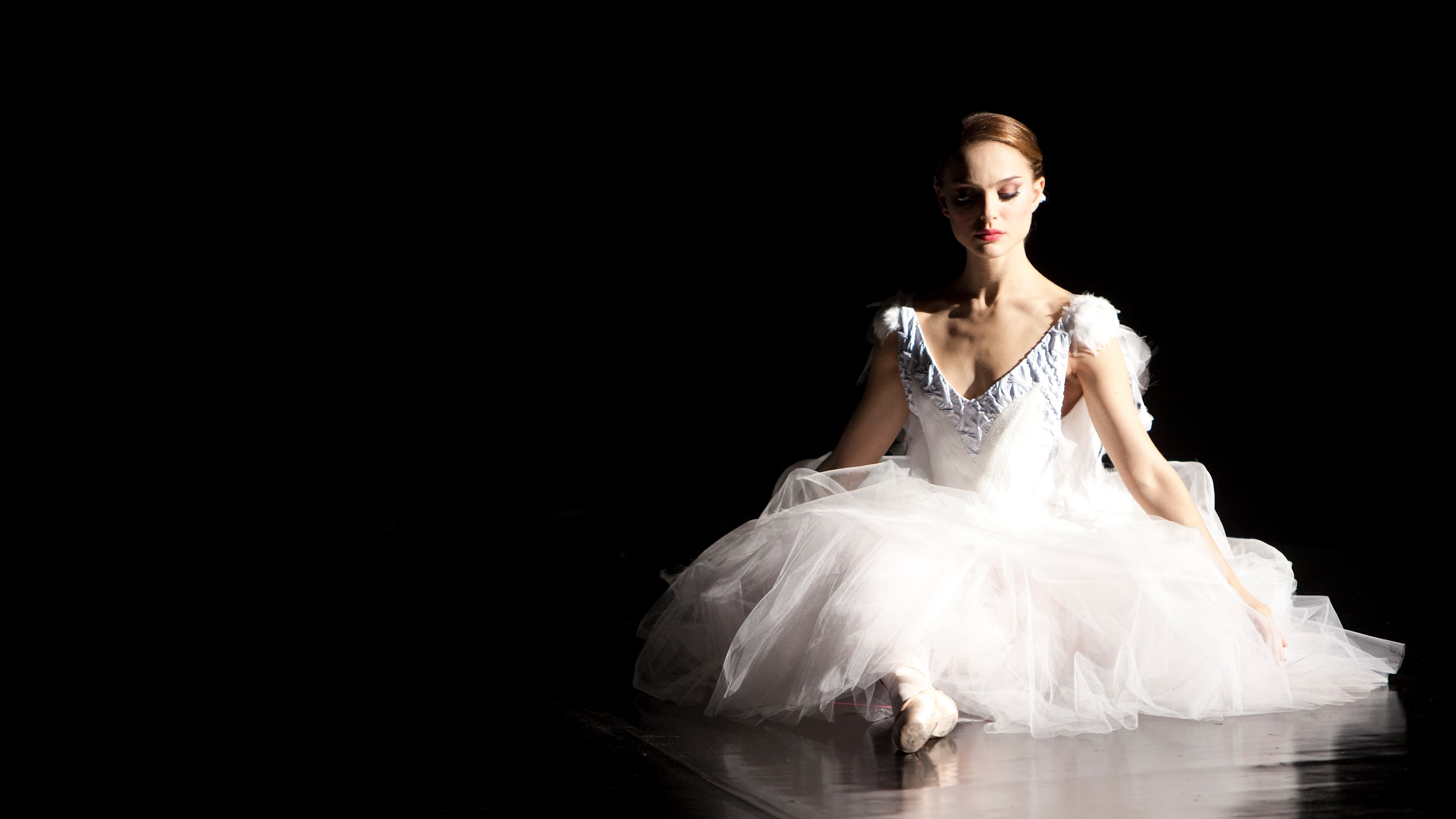
The visual style deserves special mention. From the omnipresent mirrors to the fleeting transformations, every detail contributes to the atmosphere. Light and shadow, white and black, innocence and destruction—the entire film is built on these contrasts. The makeup, costumes, and especially the final performance sequence all function as a point of no return. It is beautiful and terrifying at the same time.
The score by Clint Mansell, based on Swan Lake, fits the film perfectly. It not only heightens the tension but also draws the audience deeper into the madness unfolding on screen. The sense of immersion is complete.
The cinematography by Matthew Libatique is another major strength. He shoots the film as if he himself were dancing. The camera rarely leaves Nina's side, creating a feeling of constant motion—from scene to scene, from reality into delusion.
"Black Swan" is a striking film about ballet. More importantly, it is a film about boundaries—between good and evil, between a person and the darkness within, between the pursuit of perfection and total self-destruction. It is a powerful, beautiful, and deeply unsettling story that stays in your mind for a long time. One viewing was enough for me. This film left a lasting impression.
9 out of 10