






The Earthquake(2016)
Imdb
6.60
3.1K VotesTmdb
6.67
73 VotesViewings
No viewings yet. Add one to start tracking.
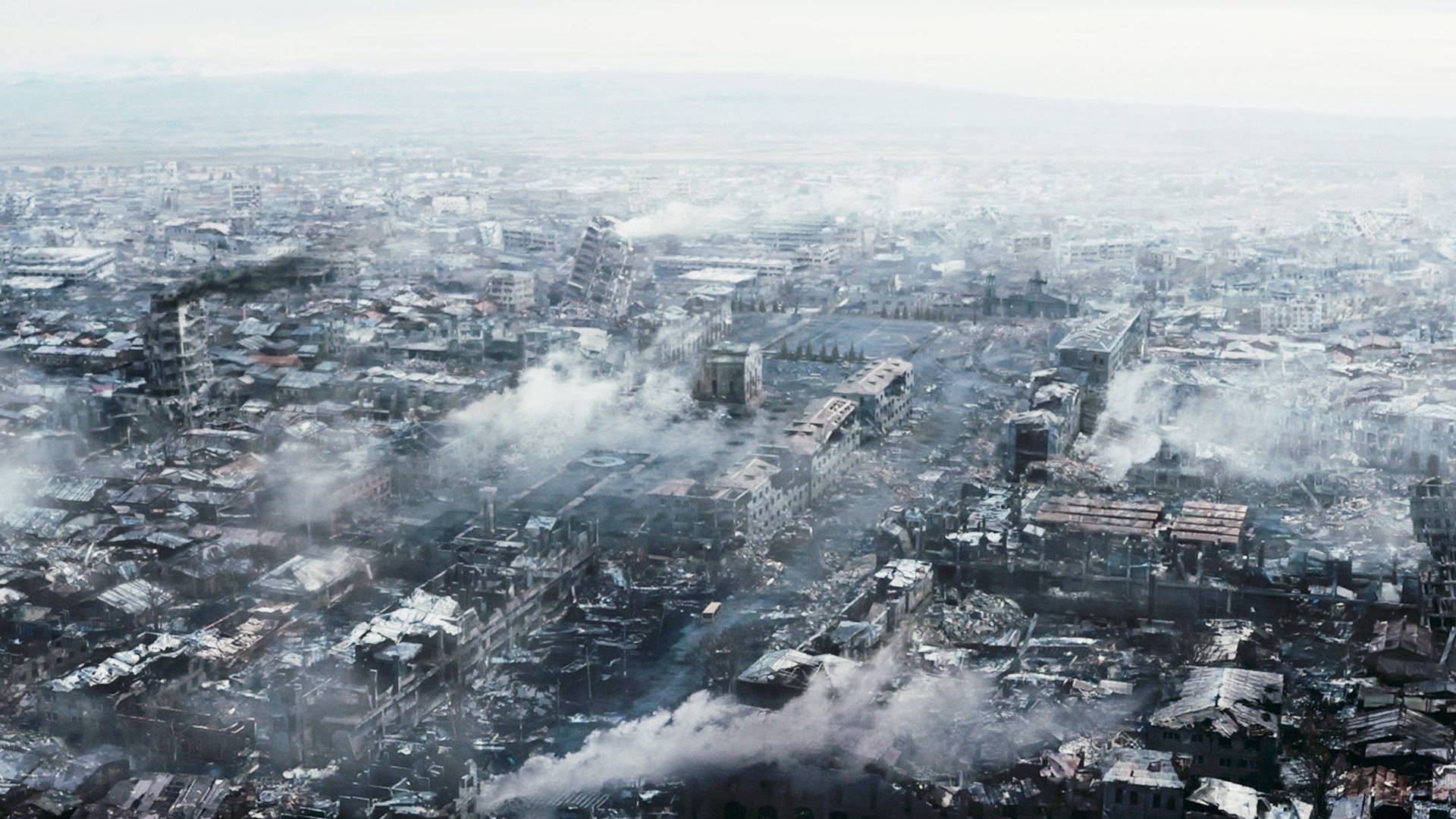
After the devastating Spitak earthquake of December 7th, Konstantin Berezhnoy, a 50-year-old Russian, and Robert Melkonyan, a 28-year-old Armenian, work together to rescue the desperate survivors.
Where to watch

Infos
Runtime
101 minutes
101 minutes
Directed by
Sarik Andreasyan
Sarik Andreasyan
Written by
Sergey YudakovAleksey Gravitskiy
Sergey YudakovAleksey Gravitskiy
People Finished
1
1
Release Status
Finished
Finished
Release Date
12/1/2016
12/1/2016
Original Language
Russian
Russian
Origin Country
Armenia
Russia
Cast
Recommended Titles
Reviews
aleks-predator
3 months ago
10
The Collapse of an Entire World
I'll be honest. Writing a review of this film is difficult. Even now, my chest tightens whenever I think back to watching it. That's how deeply it touched my soul—especially knowing that it's based on a true story. Armenia, 1988. An earthquake that quite literally turned the world upside down for hundreds of thousands of people. Twenty-seven thousand lives lost, more than one hundred thousand people left with permanent disabilities, and 717,000 left homeless. They're just numbers on paper—but behind each one is a human life. Numbers that send chills down your spine.
Director Sarik Andreasyan took on the challenge of bringing this tragedy to the screen, and he did so with genuine care. You can feel the respect, the compassion, and the reverence for what happened. Most importantly, he succeeds in conveying the sheer horror, desperation, and helplessness of those terrible days.
The atmosphere is oppressive and terrifying—and I don't use those words lightly. The film completely immerses you in the disaster. The cinematography and the staging of the destruction make you feel as though you're standing right at the epicenter. You can almost feel every crack splitting through the earth, every collapsing building, every piece of falling rubble. I remember the crushing sense of hopelessness, clenching my fists while staring at the screen, knowing I was witnessing something unimaginably awful—and that there was absolutely nothing anyone could do. Just as there wasn't back then.
The attention to detail is remarkable. Destroyed cities, shattered homes, clouds of dust swallowing everything in sight—it all feels painstakingly authentic. The scale of the catastrophe doesn't just register intellectually; it hits somewhere much deeper.
The emotional drama is incredibly powerful. The characters' fears, losses, and desperate hope for survival are portrayed with sincerity and strength. I especially want to highlight Konstantin Lavronenko and Maria Mironova. Their performances never feel like performances—they feel like real people caught in unimaginable circumstances. Even amid all the devastation, they bring warmth, compassion, and humanity to the screen. You believe every moment.
"Earthquake" is a powerful disaster film. Not a spectacle-driven blockbuster, but rather the slow, agonizing apocalypse of an entire region. It's a story about people who refuse to lose their humanity, even when everything around them is falling apart. About those willing to sacrifice themselves for complete strangers. About small acts of kindness that become monumental in moments of unimaginable tragedy. I could keep talking about it, but no review can truly capture the tension, the anger, the despair, and the hope that this film carries. It's something you simply have to experience for yourself.
This was one of the darkest chapters in modern history. Making a film about it was the right thing to do. An important thing to do.
I never expected this movie to affect me so profoundly. Even years after watching it, I still find myself wondering why it left such a lasting impression.
Several reasons come to mind.
First, the direction is outstanding. Perhaps at times it's a little too sentimental, but it worked for me. It allowed me to truly feel the suffering of both the people portrayed on screen and those who, tragically, never survived.
Second, it came into my life at exactly the right moment. I was going through a difficult period, and then this film found me. It put my own problems into perspective and made me realize how insignificant they were compared to what these characters—and the real people they represent—had endured.
And finally, it's the humanity of the people on screen. They never divided others into "us" and "them." They helped each other however they could, standing together in the face of unimaginable loss. More than anything else, I think that's what touched me the most.
10 out of 10