

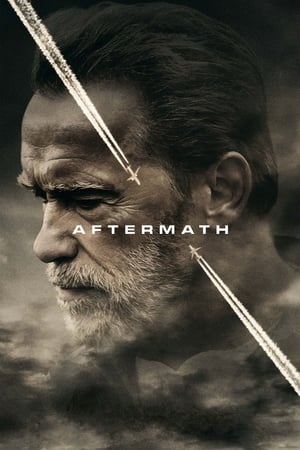








Aftermath(2017)
All he had left was revenge
Imdb
5.70
28K VotesTmdb
5.80
929 VotesViewings
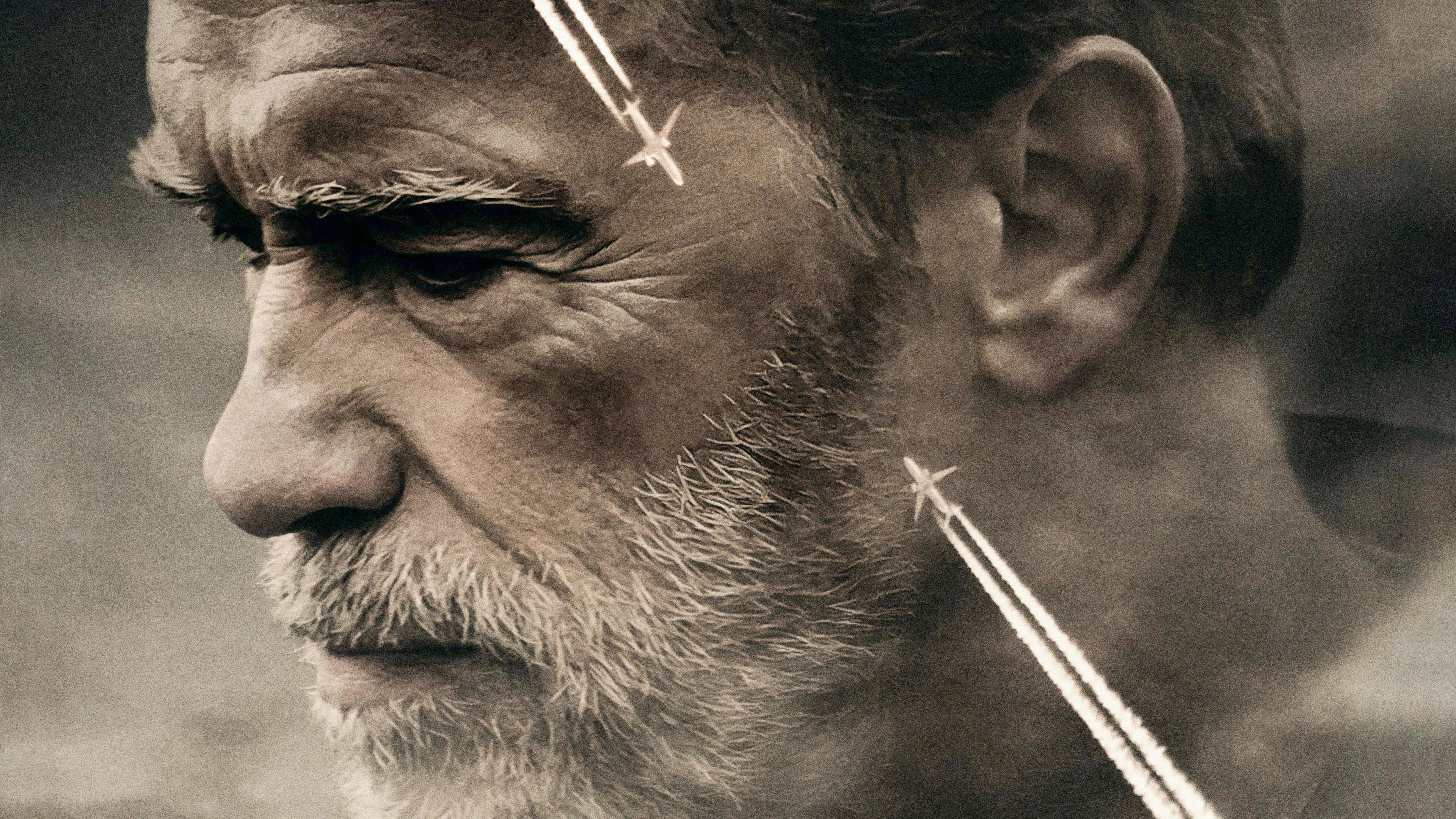
A fatal plane crash changes the lives of Roman and Jake forever. Roman loses his wife and daughter in the accident, while Jake loses his mind—as he happens to be the air traffic controller who failed to avert the nightmare. Rage and revenge engulfs Roman and Jake finds himself swamped with guilt and regret.
Infos
Runtime
92 minutes
92 minutes
Directed by
Elliott Lester
Elliott Lester
Written by
People Interested
1
1
People Finished
32
32
Release Status
Finished
Finished
Release Date
2/28/2017
2/28/2017
Original Language
English
English
Origin Country
United Kingdom
United States
Cast
Recommended Titles
Reviews
aleks-predator
27 days ago
7
Loneliness That Leads to the Irreversible
Arnold Schwarzenegger’s persona is hard to overestimate. He is one of the most famous—and by now probably iconic—actors who gave audiences a whole gallery of memorable characters during the golden age of action films. The bright charisma and indestructible brutality of his roles make you instinctively perceive his characters as invincible men. That’s why it was especially interesting to watch Arnold in a film that, at first glance, seemed completely unsuited to his usual typecasting.
For that very reason, it was genuinely intriguing to discover "Aftermath", directed by Elliott Lester. Here, Schwarzenegger plays an ordinary man who has faced a family tragedy and endures it inwardly, in silence. Arnold proves—to everyone, and I’m sure to himself as well—that he is not only an action star, but also a capable dramatic actor. The many facets of the protagonist’s personality allow us to see the full range of Schwarzenegger’s abilities, and as a longtime admirer of his work, that truly made me happy. It’s refreshing to see him transform into an ordinary person with flaws and problems, rather than an unbeatable hero who smashes enemies and walls without breaking a sweat.
Another important aspect of Schwarzenegger’s work, and of the entire production, is that the film is based on the well-known real-life tragedy of a man named Vitaly Kaloyev. The story of his family, who perished in a midair collision of two planes, and the events that followed, became the foundation of the film. Although there is a lot of fiction here, the movie, as I see it, does not strive for strict factual accuracy. First and foremost, this is a work of fiction, showing what a person can become after losing their family—literally a part of themselves—and being left alone to face fate. The protagonist’s inner world is explored in considerable depth and lingers in the memory, a testament to the strong work of the screenwriters, the director, and, of course, the actor himself.
The film’s atmosphere is oppressive from the very first minutes. Confident direction gradually but inevitably immerses the viewer in darkness. Skillful manipulation of visuals and events allows us to feel the full despair of a single, specific person—the main character—to empathize with his story and understand his motives. And this is just one man; how many others lost their loved ones in the same disaster?
The film also touches on the theme of human error and the existence of fate. What are the odds that two airliners could collide in the sky—something so vast? It’s a rhetorical question. Simply grasping what happened makes you realize that even in the most unlikely circumstances, catastrophes are possible. This is despite the fact that airplanes are considered one of the safest forms of transportation. As we can see, however, that does not guarantee that such a tragedy can never happen.
"Aftermath" is a deeply depressing film, soaked in a sense of hopelessness. Gray tones, a heavy atmosphere, and an oppressive soundtrack all help convey the bleak story of a man who truly lived while his family was alive—and completely lost himself when they were gone.
7 out of 10