





The Little Prince(2015)
Growing up isn't the problem... forgetting is.
Imdb
7.60
73K VotesTmdb
7.63
3.1K VotesViewings
No viewings yet. Add one to start tracking.
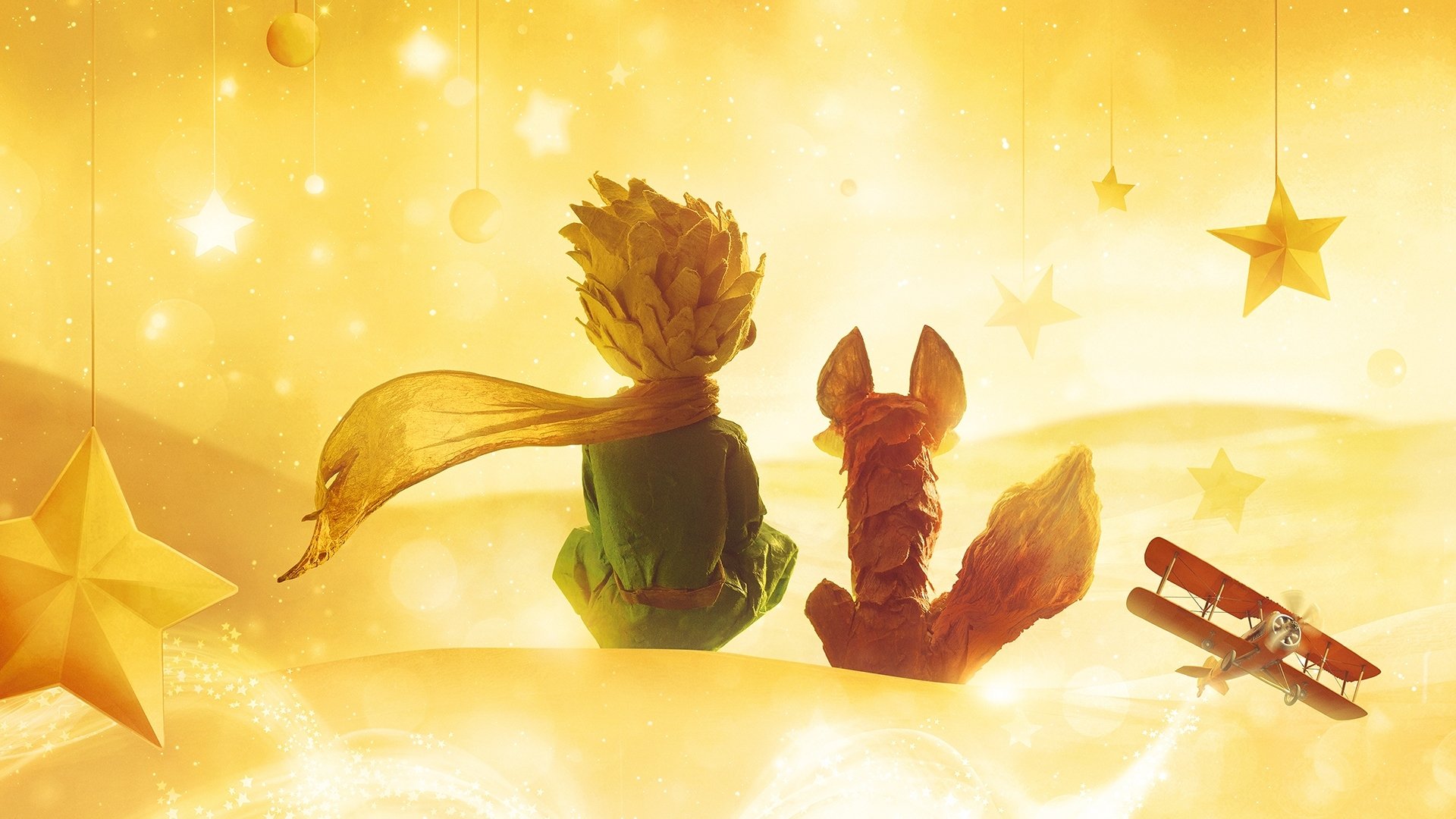
Based on the best-seller book 'The Little Prince', the movie tells the story of a little girl that lives with resignation in a world where efficiency and work are the only dogmas. Everything will change when accidentally she discovers her neighbor that will tell her about the story of the Little Prince that he once met.
Where to watch

Infos
Runtime
106 minutes
106 minutes
Directed by
Mark Osborne
Mark Osborne
Written by
Irena BrignullBob Persichetti
Irena BrignullBob Persichetti
People Interested
10
10
People Finished
34
34
Release Status
Finished
Finished
Release Date
7/29/2015
7/29/2015
Original Language
English
English
Origin Country
France
Italy
Canada
Cast
Recommended Titles
Reviews
aleks-predator
4 months ago
10
Our Lost Dreams
When I first sat down to watch "The Little Prince", I had no idea how important—or how personal—it would become for me. At the time, I hadn't read "The Little Prince", and I only knew the story through hearsay. Looking back, that was probably for the best. Instead of seeing it as a simple adaptation, I experienced it as something entirely its own—a deeply personal journey. It touched something inside me that I thought had long since disappeared. Even now, whenever I think about this story, I'm filled with a bittersweet smile.
Director Mark Osborne found a wonderful way to bring Antoine de Saint-Exupéry's classic tale into a completely different format while preserving its spirit and adding something uniquely his own. I wouldn't even call it an adaptation. It's a beautifully crafted story within a story, carefully woven into our own world. And that approach works perfectly. This isn't just a film about the Little Prince—it's about every one of us.
What struck me most was how adulthood slowly pulls us away from who we once were. A child living by a strict schedule. An adult who hasn't entirely forgotten how to dream. Somewhere between those two, I recognized myself. Throughout the film, one question keeps returning: At what point do we stop noticing miracles? When exactly does the child inside us disappear—the one who could feel genuine happiness simply because it was raining or because the sun was shining?
The film gently touches those emotional strings, reminding us of the past—of friendship, of loss, and of the simple things that once brought us joy. And that's exactly it: we've unlearned how to appreciate them. Life taught us otherwise. Yet the film quietly reminds us that it's not enough to make all the "right" decisions. We also need to stop once in a while, look up at the sky, ask questions, and never be afraid of seeming naive.
Only after watching the film did I finally read the book. That's when I realized just how delicately the filmmakers had captured both the spirit and the heart of the original. They don't simply retell Saint-Exupéry's story—they reinterpret it. The result is a film that feels meaningful both to longtime readers and to those discovering the Little Prince for the very first time.
Visually, the movie is mesmerizing. I absolutely loved the contrast between the modern computer animation and the delicate stop-motion sequences. You can almost feel the difference between the rigid, orderly world of adults and the magical universe of the Prince. One world is gray and mechanical; the other feels alive, as though it were made from paper, light, and imagination. More than once, it gave me goosebumps.
And this isn't an animated film "for children." It's for everyone. Children see an adventure. Adults see the dreams and meanings they've lost along the way. That's what makes it so special. Imagine a child watching this today, then returning to it twenty years later and discovering an entirely different film.
As for the music, there's only one word that comes to mind: magical. Hans Zimmer is already a guarantee of quality, and together with Richard Harvey, he created a score that always strikes exactly the right emotional note. Sometimes it amplifies the feelings on screen; sometimes it simply feels like it's holding your hand when you're on the verge of tears.
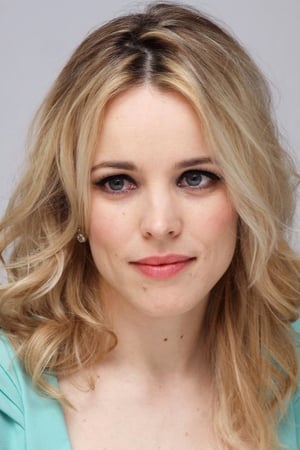
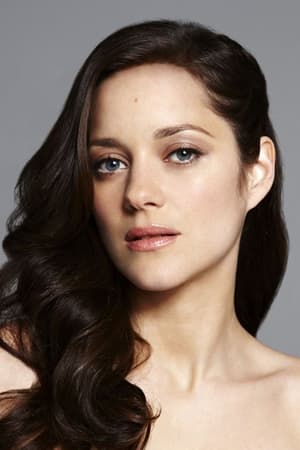
And, of course, the voice cast deserves praise. The original version features the voices of Jeff Bridges, Rachel McAdams, Marion Cotillard, Mackenzie Foy, James Franco, and many others. I watched the Russian dub and was delighted to hear familiar voices from Sergey Garmash, Chulpan Khamatova, Yekaterina Klimova, and Konstantin Khabensky. Their performances brought genuine warmth and sincerity to the characters. It never felt like routine dubbing—it felt like true involvement.
"The Little Prince" isn't just another beautiful fairy tale. It's a reminder that life's greatest treasures aren't careers or perfect grades. They're kindness, love, the ability to dream, and the courage to remain yourself.
This film truly moved me. It found a permanent place somewhere deep inside my heart. And I'm certain that if I watch it again someday, it will speak to me differently than it did before. But it will feel just as honest.
By the time the credits roll, you're left with a quiet, aching feeling. It's something like sadness—but filled with hope. And I believe that's the greatest gift this film leaves behind.
10 out of 10