

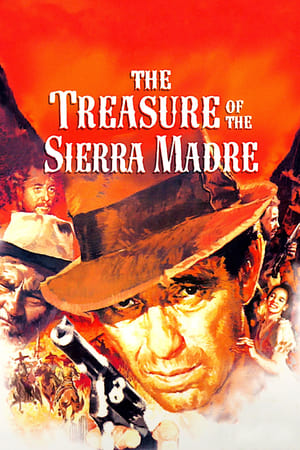




The Treasure of the Sierra Madre(1948)
The nearer they get to their treasure, the farther they get from the law.
Imdb
8.20
143K VotesTmdb
8.00
1.4K VotesViewings
No viewings yet. Add one to start tracking.
Two jobless Americans convince a prospector to travel to the mountains of Mexico with them in search of gold. But the hostile wilderness, local bandits, and greed all get in the way of their journey.
Where to watch

Infos
Runtime
126 minutes
126 minutes
Directed by
John Huston
John Huston
Written by
John Huston
John Huston
People Interested
10
10
People Finished
16
16
Release Status
Finished
Finished
Release Date
1/15/1948
1/15/1948
Original Language
English
English
Origin Country
United States
Cast
Related Titles
Recommended Titles
Reviews
aleks-predator
22 days ago
7
The Test of Gold: How John Huston Took Human Greed Apart Grain by Grain
I approached "The Treasure of the Sierra Madre" as a western. Well, gold, well, mountains, well, men with shovels. It turned out, though, that it is a completely different kind of film. In 1947, John Huston made a story about how money exposes a person. And it does this slowly, methodically, and with no hope for those being tested.
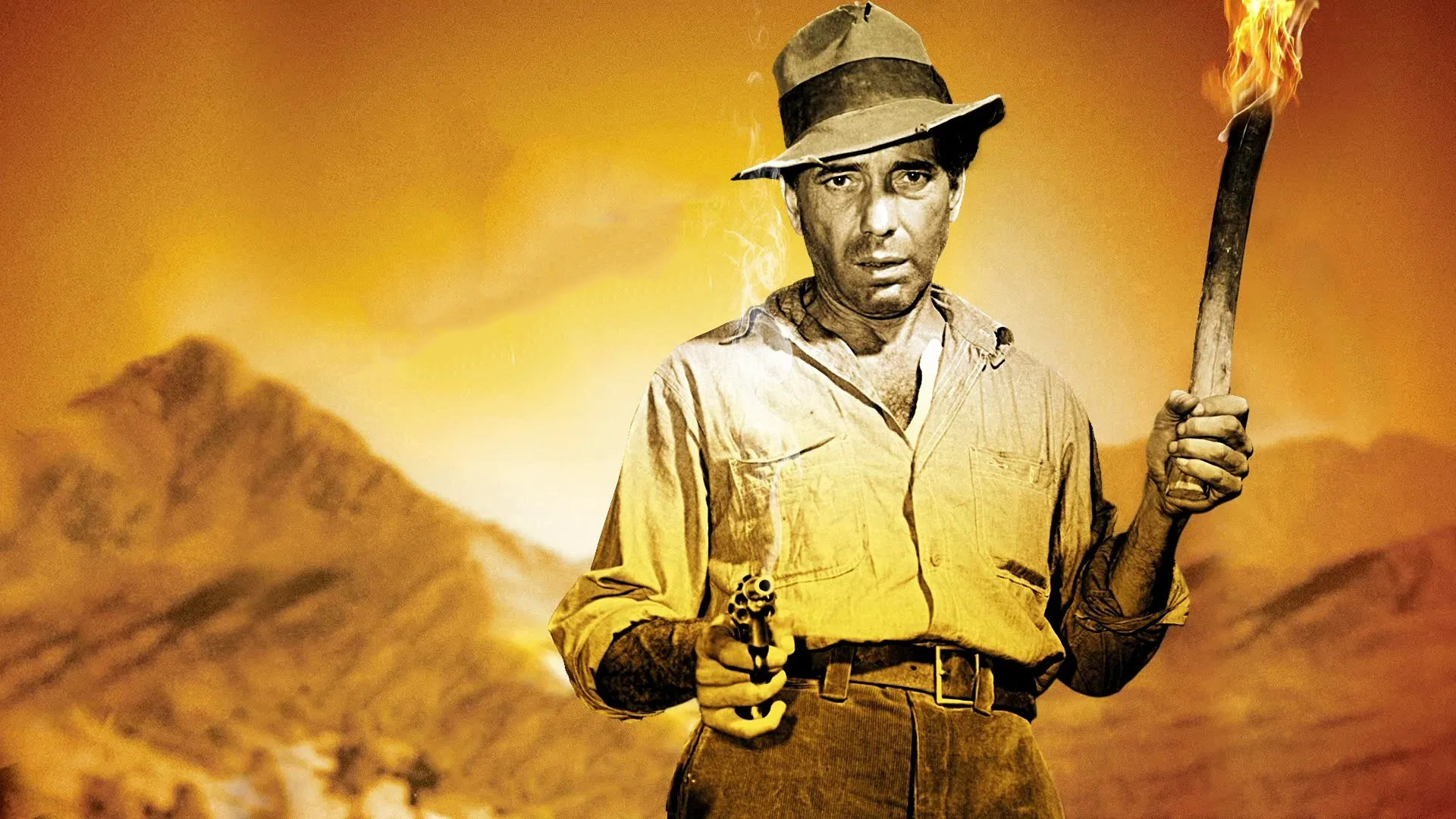
Mexico, the 1920s. There are three men in this story: Fred C. Dobbs — Humphrey Bogart, Bob Curtin — Tim Holt, and old Howard, played by Walter Huston. The three of them head into the Sierra Madre mountains for gold. At first, everything looks like an ordinary adventure with a friendly spirit and conversations around the campfire. But the amount of gold begins to grow, while something in the men begins to decrease. Dobbs is the first to lose control. Paranoia, suspicion, and greed catch up with the character. And it is important to say that the story shows how this happens. It does not come suddenly, it builds up. Like pressure in a boiler that nobody thought to check in time.
The actors worked well. Bogart is far from his usual type here. His Dobbs is a man who cannot withstand the test of his own desires. He becomes more and more nervous, suspicious, obsessed. The role requires subtle psychological acting from the actor. And Bogart handles it, as they say, flawlessly. In contrast to him is Howard, played by Walter Huston. This is perhaps the central figure of the film: a calm, ironic, and in his own way wise man. He sees what is happening and does not make sudden moves, but his look is a constant reminder of the price of gold. It was precisely for this role that Huston received an Oscar — this is truly top-class work.
The director himself, John Huston, by the way, was awarded two Academy Awards: for directing and for adapted screenplay. Here it is difficult to disagree — The Treasure of the Sierra Madre is well written and well shot. There are no excesses in the drama, no artificial pathos, but at the same time every bit of tension in a scene can be physically felt. The director literally builds the tragedy before the viewer's eyes — in details, in looks, in pauses between dialogues. This story seems to wait for the right moment to work, and that is exactly what makes it so cool.
The film clearly shows how gold becomes not a goal, but a tool for exposing a person's true character. At first, modest earnings for a living quickly turn into an obsession capable of destroying not only friendship, but also the remnants of humanity. Gold in the film acts like litmus paper: it does not make people evil, as it may seem, but it shows who they really always were.
This film does not lose its relevance even decades later. It has not become outdated either in form or in content. Moreover, against the background of modern variations on the theme of moral downfall, Huston's film looks much more honest and deeper. Its characters face their own inner selves and lose.
"The Treasure of the Sierra Madre" is a film that does not flatter the viewer. It entertains, but not in the usual sense, and it does not promise a happy ending. But it leaves memories of itself. And perhaps that is one of the main criteria of a truly strong drama. It does not matter how many years have passed since its premiere — the questions raised by this film still remain painfully relevant.
7 out of 10