



![Movies - Based on Recently Watched [couchmoney.tv]](https://media.themoviedb.org/t/p/w300_and_h450_bestv2/yaTFjMNh8D78dDHrglivOTv5YOx.jpg)


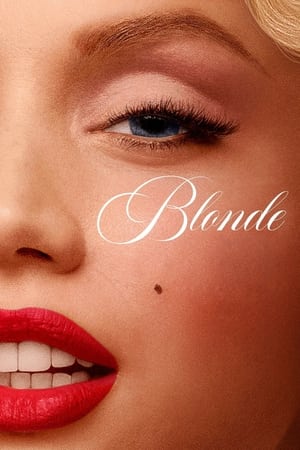
Blonde(2022)
Watched by all, seen by none.
Imdb
5.40
79K VotesTmdb
5.90
1.6K VotesViewings
No viewings yet. Add one to start tracking.
From her volatile childhood as Norma Jeane, through her rise to stardom and romantic entanglements, this reimagined fictional portrait of Hollywood legend Marilyn Monroe blurs the lines of fact and fiction to explore the widening split between her public and private selves.
Where to watch

Infos
Runtime
167 minutes
167 minutes
Directed by
Andrew Dominik
Andrew Dominik
Written by
People Interested
6
6
People Finished
23
23
Release Status
Finished
Finished
Release Date
9/16/2022
9/16/2022
Original Language
English
English
Origin Country
United States
Cast
Recommended Titles
Reviews
aleks-predator
12 months ago
8
Marilyn You’ve Never Seen Before
Right away, it’s worth noting that this is a very unusual film. Not the kind of biopic I expected, having grown used in recent years to fairly standard movies about famous people and their lives. That’s probably why it was hard at first to adjust to the narrative rhythm of "Blonde". But once you do, Andrew Dominik’s story completely consumes you. Entirely and irrevocably. At times it’s unpleasant to watch, but it’s hauntingly fascinating. Sometimes it feels too long, yet by the end you realize you could have easily watched more episodes from the life of one of the 20th century’s most iconic actresses.
The story begins in Marilyn Monroe’s childhood, back when she was still Norma Jeane Mortenson. The first minutes immediately suggest this isn’t the film you were promised. That short but crucial segment is filled with apathy, fear, and horror—the kind a little girl once felt. Fear that would follow her throughout her entire life. That, I think, is the director’s message.
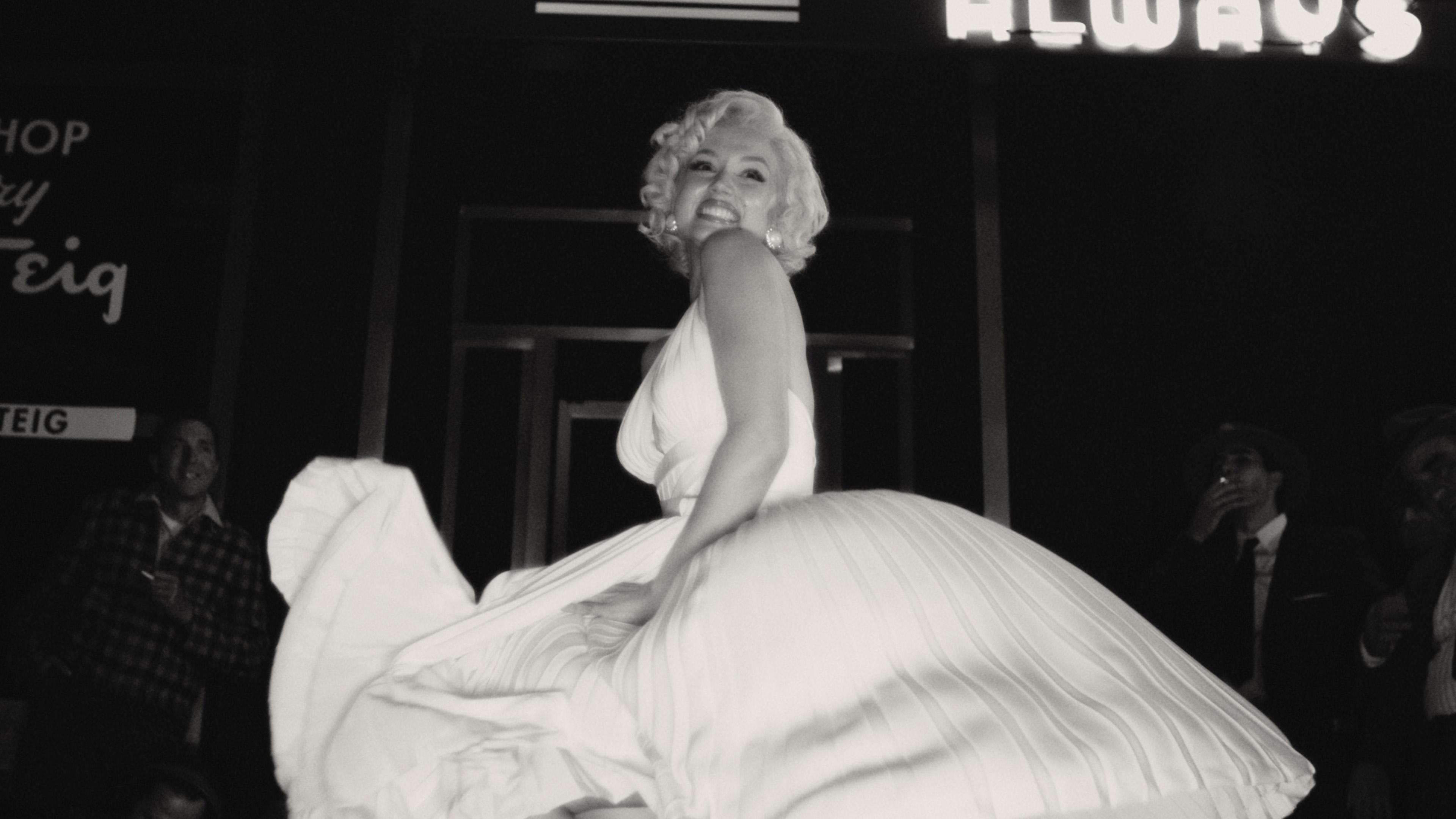
From there, the film follows the familiar path of a biographical drama, showing many important moments in the Hollywood diva’s life. Some are recognizable when they appear on screen, whether it’s the famous nighttime photo shoot with her dress blown up over a subway grate, or the iconic scenes from her films. But here’s the key point: for us, the audience, these moments are glamorous, familiar, even joyful. For Marilyn, as seen through Dominik’s eyes, they were suffocating, dark fragments of a short and troubled life. I emphasize the director and writer here because it’s clear this is his vision of her. Monroe’s real inner world may have been different. I hope it was. Because this film gathers up all the worst possibilities of what might have been happening inside her—a woman who dazzled the public while dying inside each day, left desperately alone with her demons.
She was someone millions desired, admired, imitated. Yet she herself never found her place, left time and again alone against life itself. Loneliness—that’s the word that, in my view, runs through the entire film. It’s terrifying to imagine being in her position, realizing that no amount of fame or money could outweigh the toll that kind of isolation exacts. It creeps like a snake, slithering into the mind, shattering reality into fragments until you no longer know what’s real and what’s a creation of your own fevered imagination. The film conveys that descent with chilling power.
And yet, this remains the filmmaker’s interpretation. It isn’t good or bad—it’s singular. Viewed as one possible vision of Marilyn’s inner life, this was a deeply unhappy woman who never found peace. What saddens me personally is how neatly this perspective explains her tragic end. If things hadn’t been that bad, would she have finished the way she did? The answer feels close at hand, and it hurts. Perhaps that really is how it was in her soul—and that’s why she couldn’t endure.
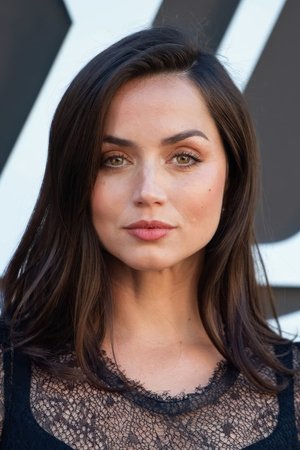
Ana de Armas’s performance is stunning. She fully embraced the role as conceived by the filmmakers. Whether this is the “real” Marilyn is debatable, as I’ve said, but there’s no doubt she captured the intended version with precision.
The story spans a long period of time, and the settings, costumes, and atmosphere are convincingly rendered. The narrative highlights the very different social attitudes of the past, showing how women were perceived then, and how we now look back on those perspectives with distance.
The film is filled with explicit scenes, some bordering on pornographic. I still can’t decide how I feel about them—whether they were truly necessary. The filmmakers clearly thought they were, so I suppose we have to trust their vision, though my feelings remain mixed.
The film leads, inevitably, to the well-known ending. It leaves you sad, because it’s devastating to realize such stories are real. No one can ever truly know if someone else’s life, seen as glamorous from the outside, might actually be a nightmare for them. Tragically, that realization often comes only after it’s too late. Life is short. It’s unpredictable.
8 out of 10