



Rebecca(1940)
"Last night I dreamt I went to Manderley again..."
Imdb
8.00
162K VotesTmdb
7.90
2K VotesViewings
No viewings yet. Add one to start tracking.
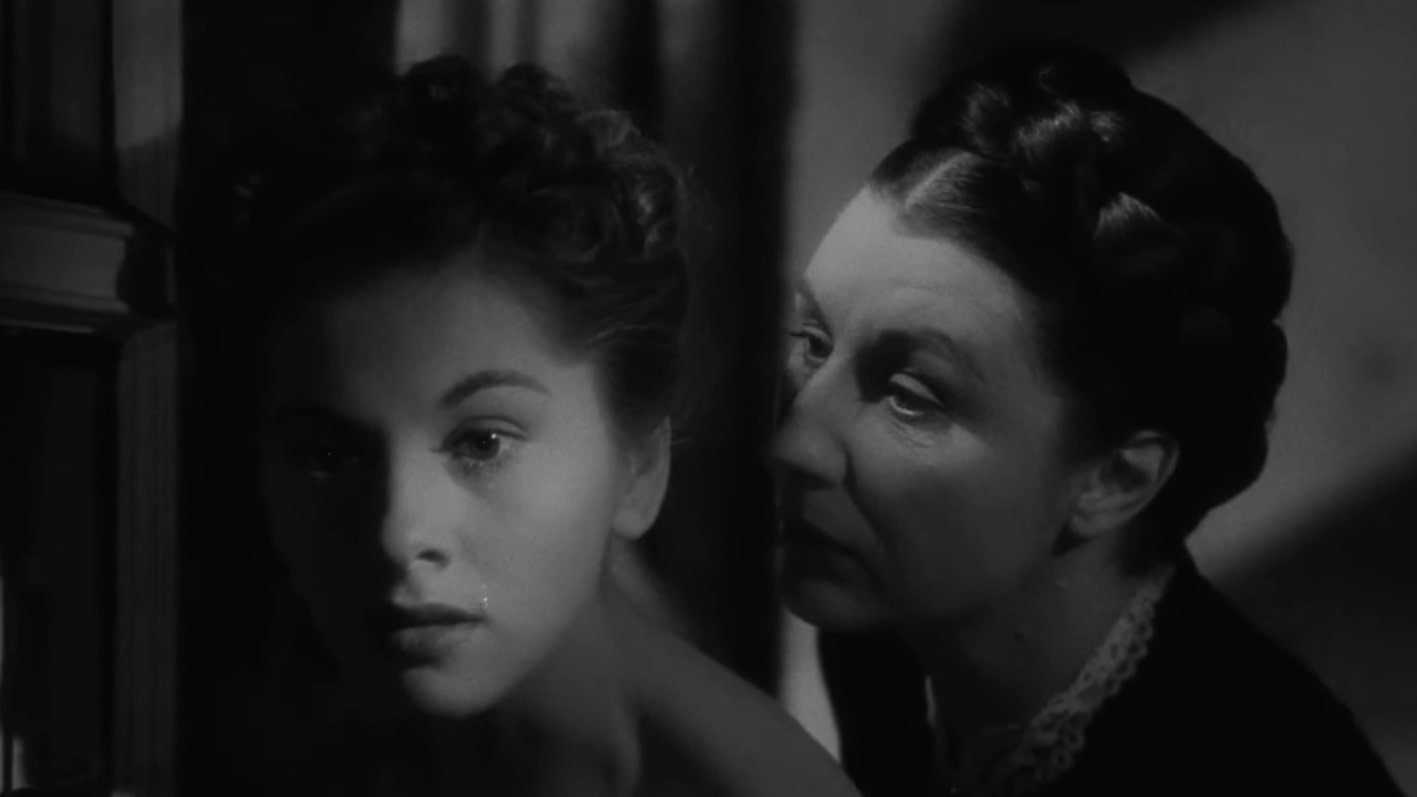
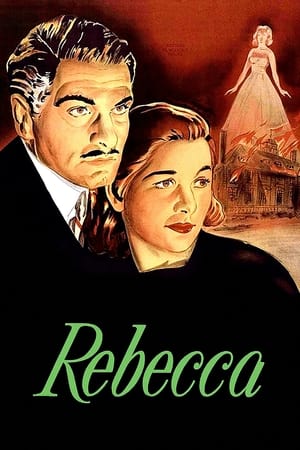
Story of a young woman who marries a fascinating widower only to find out that she must live in the shadow of his former wife, Rebecca, who died mysteriously several years earlier. The young wife must come to grips with the terrible secret of her handsome, cold husband, Max De Winter. She must also deal with the jealous, obsessed Mrs. Danvers, the housekeeper, who will not accept her as the mistress of the house.
Where to watch

Infos
Runtime
130 minutes
130 minutes
Directed by
Alfred Hitchcock
Alfred Hitchcock
Written by
Joan HarrisonRobert E. Sherwood
Joan HarrisonRobert E. Sherwood
People Interested
9
9
People Finished
24
24
Release Status
Finished
Finished
Release Date
3/23/1940
3/23/1940
Original Language
English
English
Origin Country
United States
Cast
Related Titles
Same Director
0
7.60
Movie
The Birds
Recommended Titles
Reviews
aleks-predator
7 months ago
7
A Hitchcock Creation
Alfred Hitchcock’s films are remembered for their unique atmosphere even decades after the master’s passing. Sometimes his style is easy to catch in a particular scene; more often, it unsettles the viewer through that unmistakable sense of suspense and tension. "Rebecca" is a somewhat unusual project within Hitchcock’s body of work. While all of the director’s recognizable traits are present, the detective element and the romantic storyline come to the forefront here. And this approach works remarkably well for this particular story.
The film also stayed with me because of its variety of beautifully composed shots. The production team did an excellent job with the sets, presenting viewers with richly detailed interiors of the mansion.
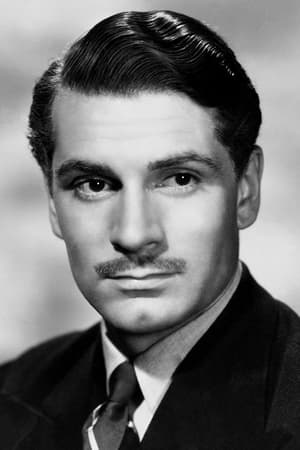
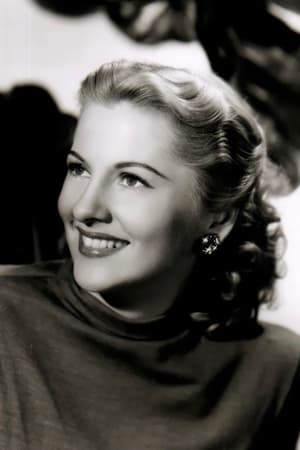
The true heart of the film, of course, lies in its characters, portrayed by Joan Fontaine and Laurence Olivier. In my view, Olivier plays more of a “second fiddle.” The real jewel of the film is Fontaine—her performance is captivating and deeply affecting. Her character appears strong yet lost, confused, and at times genuinely frightened by what is happening around her. The full range of Fontaine’s acting ability allows the audience to truly feel how complex her heroine is. I’m convinced that the other actresses considered for the role—including, notably, Gone with the Wind stars Vivien Leigh and Olivia de Havilland—would have struggled to convey the same image that Fontaine brought to life so successfully.
Olivier is also very good. The English actor subtly conveys the aristocratic nature of his character, complete with all the recognizable traits associated with such a figure. His hero is confident, resolute, and it is his past that becomes the central mystery to be explored—both by the film’s heroine and by the audience.
The performances of the rest of the cast are strong as well, and it’s hard to single anyone out—everyone does an excellent job. Hitchcock, as a seasoned director, stages the film with great skill, playing on the audience’s emotions and presenting each scene in precisely the way only he can. The film went on to win the Academy Award for Best Picture in its year of release, and also received an Oscar for Best Cinematography.
"Rebecca" is a worthy film of its era. It is often overlooked in favor of Hitchcock’s more famous works, such as the legendary "Psycho", "The Birds", "Rear Window", or "Dial M for Murder". Still, it remains a high-quality project that even today captivates with its unforgettable atmosphere of mystery and drama.
The filmmakers brilliantly convey a mysterious story that is quite literally soaked in the intangible, yet very distinct—and even dangerous—presence of the woman known as Rebecca.
7 out of 10