

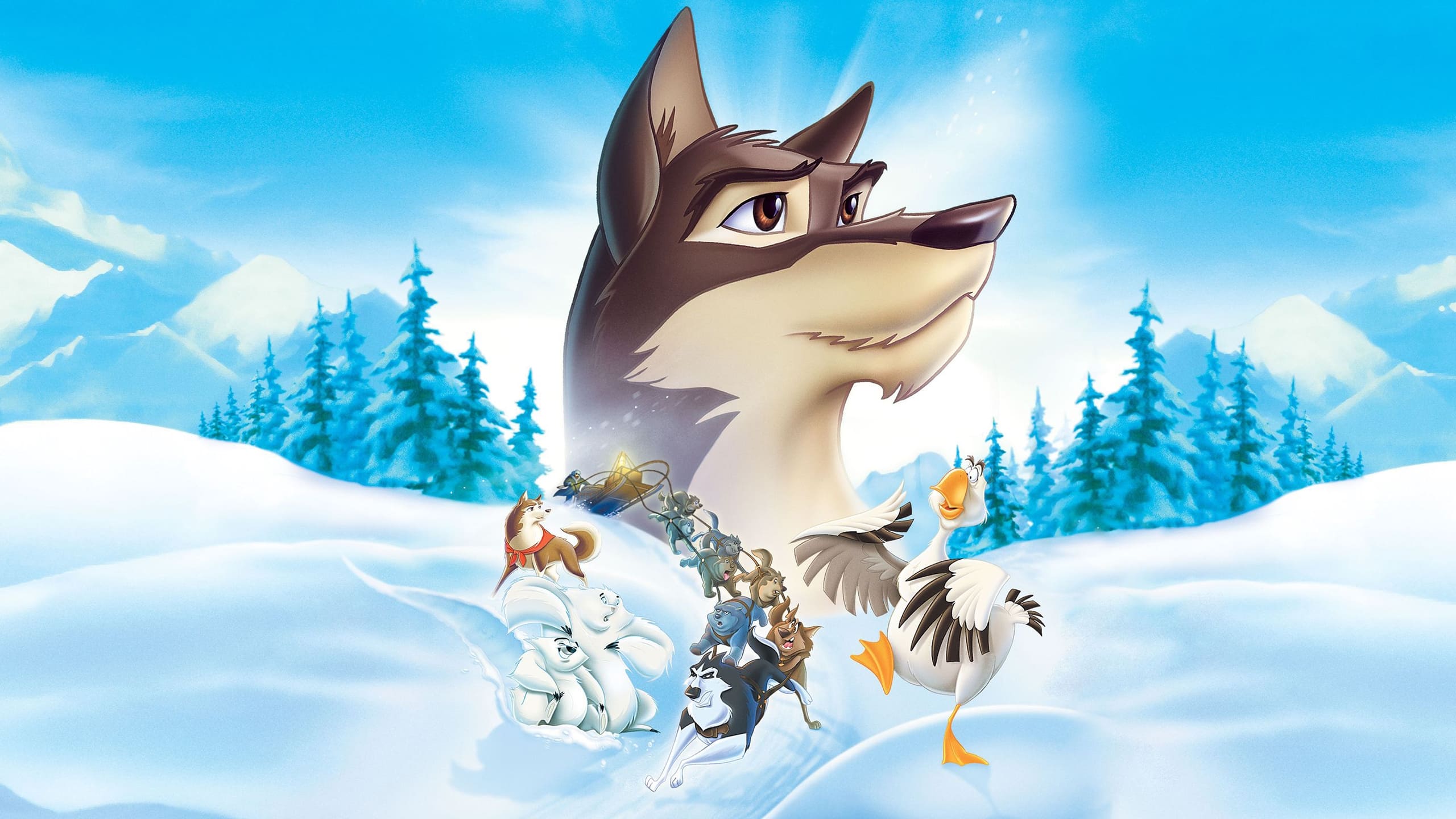










Balto(1995)
His story became a legend. His adventure is one you'll never forget.
Imdb
7.10
52K VotesTmdb
7.30
2.3K VotesViewings
No viewings yet. Add one to start tracking.
An outcast half-wolf risks his life to prevent a deadly epidemic from ravaging Nome, Alaska.
Where to watch

Infos
Runtime
78 minutes
78 minutes
Directed by
Simon Wells
Simon Wells
People Interested
6
6
People Finished
38
38
Release Status
Finished
Finished
Release Date
12/22/1995
12/22/1995
Original Language
English
English
Origin Country
United States
United Kingdom
Cast
Recommended Titles
Reviews
aleks-predator
3 months ago
7
One Against the Snow and Prejudice
I first watched "Balto" as a child, back in the nineties — on VHS, I believe. And for some reason it stayed with me immediately. Probably because this isn't a light adventure with talking dogs, but a vivid story about someone who doesn't fit in anywhere yet ultimately finds their place. About an outsider who becomes a hero.
Balto is neither quite a dog nor quite a wolf. He lives in Alaska, in the town of Nome, and everyone regards him with suspicion — he's somehow one of them and yet not. Neither the people nor the dogs truly accept him. And when an epidemic strikes and medicine needs to be delivered across a frozen wilderness, it's Balto who turns out to be the one who can change everything. And he does — not for glory, but simply because he must. The film is based, incidentally, on a real event: in 1925 there was indeed such an epidemic, and dog sled teams delivered the vaccine through an ice storm.
Visually the film still holds up well. Alaska is the real thing, not a postcard version — cold, snowy, dangerous. And through that harsh landscape a small sled team pushes forward through icy winds and precipices. Everything is drawn with care, especially the scenes where nature seems to live its own life, indifferent to the fear and effort of the characters. You can tell the artists weren't cutting corners.
The characters in "Balto" are distinctive and memorable, each with their own personality: the grumbling but loyal goose Boris (voiced by Bob Hoskins), the kind and resolute Jenna (Bridget Fonda), the comic duo of Muk and Luk (Phil Collins). And of course Balto himself — stubborn, quiet, but with an unshakeable resolve. The voice cast hits the mark throughout: Kevin Bacon made Balto not just an animated character but a living one, complete with doubts and weaknesses — yet he goes all the way.
James Horner's music is a story in itself. The score doesn't push itself forward, but it lands precisely where it needs to: building tension, adding warmth, or deepening the drama. Without this music the film would have lost a great deal.
But the heart of "Balto" is the theme of acceptance — of yourself, your differences, your place in the world. The film doesn't preach or lecture, but through the actions of its characters it shows that what matters is not appearance, not bloodline, and not the opinion of the crowd, but who you are and what you're willing to do for others. In that sense "Balto" is not only for children. Even as an adult, there's something here worth reflecting on.
Several decades have passed, and "Balto" hasn't aged. It still reaches you. This is not an ordinary sweet film about dogs. It's a story about becoming yourself — even when the whole world is against you.
7 out of 10