

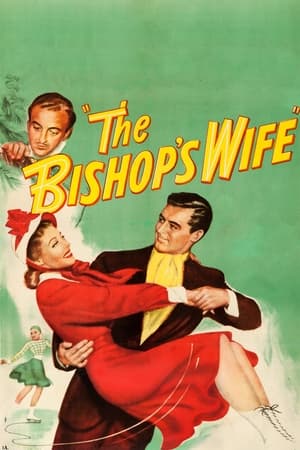





The Bishop's Wife(1947)
Have you heard about Cary and the bishop's wife?
Imdb
7.60
24K VotesTmdb
7.10
292 VotesViewings
No viewings yet. Add one to start tracking.
An Episcopal Bishop, Henry Brougham, has been working for months on the plans for an elaborate new cathedral which he hopes will be paid for primarily by a wealthy, stubborn widow. He is losing sight of his family and of why he became a churchman in the first place. Enter Dudley, an angel sent to help him. Dudley does help everyone he meets, but not necessarily in the way they would have preferred. With the exception of Henry, everyone loves him, but Henry begins to believe that Dudley is there to replace him, both at work and in his family's affections, as Christmas approaches.
Where to watch

Infos
Runtime
109 minutes
109 minutes
Directed by
Henry Koster
Henry Koster
Written by
Robert E. SherwoodLeonardo Bercovici
Robert E. SherwoodLeonardo Bercovici
People Interested
2
2
People Finished
5
5
Release Status
Finished
Finished
Release Date
12/25/1947
12/25/1947
Original Language
English
English
Origin Country
United States
Cast
Recommended Titles
Reviews
aleks-predator
2 months ago
7
A Miracle That Came for a Reason
I approached "The Bishop’s Wife" knowing that it was an older film aimed at the Christmas season, which meant I already had a pretty good idea of what to expect. On top of that, it received five Oscar nominations and won one. So there was certainly some curiosity. And the film is exactly what it should be — warm, naively magical, and filled with interesting characters.
Bishop Henry Brougham is a man with a grand dream. He wants to build a new cathedral, and that dream consumes him completely. Meetings, fundraising, important speeches. All of these things become more important than his wife Julia, more important than simple evenings at home, more important than the things that once mattered most in their family life. And then, at some point, Dudley appears.
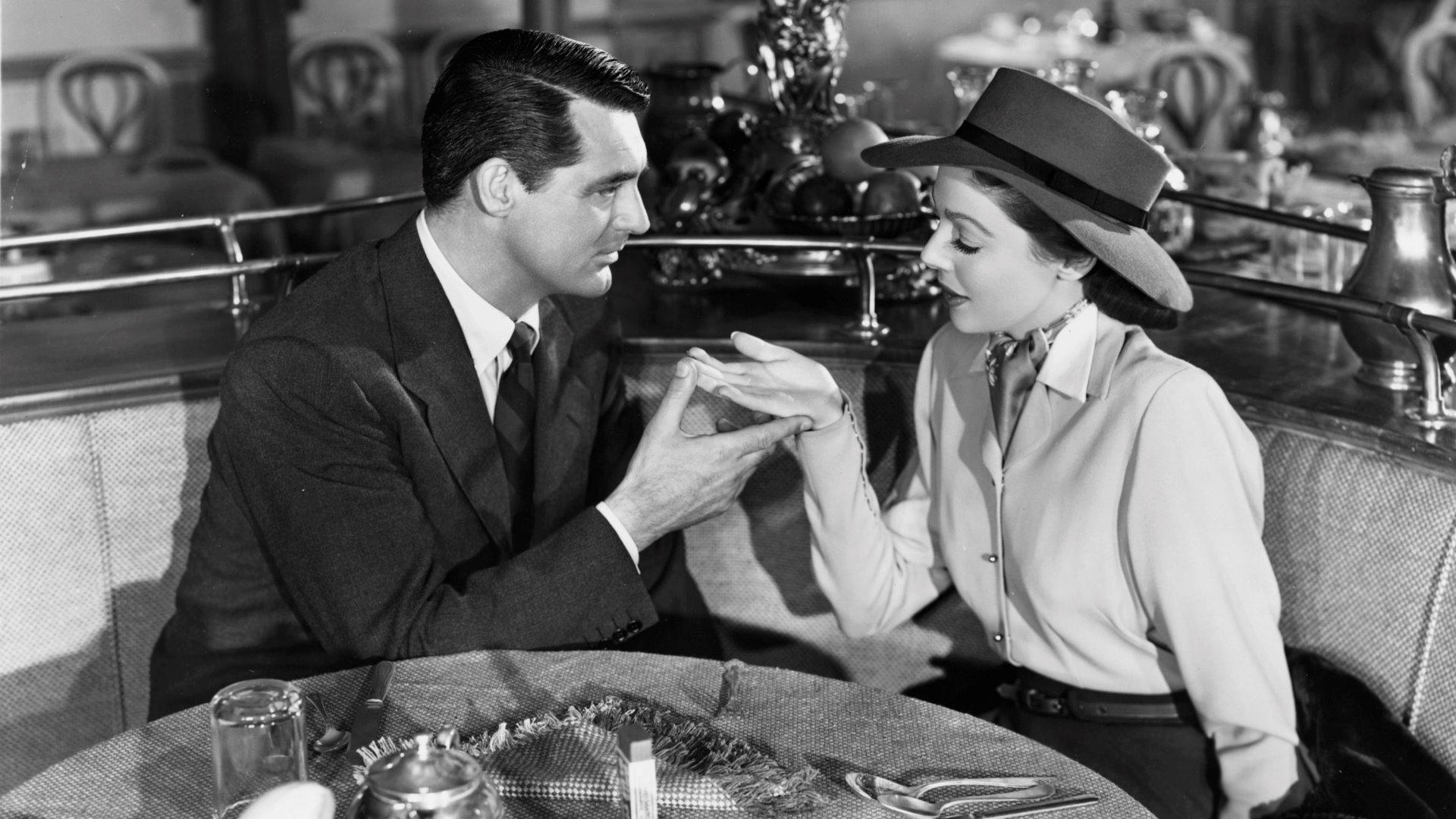
Cary Grant plays an angel. Yep. Another story from that era of cinema where a supernatural being shows up to help people. Around the same time, similar stories such as "It’s a Wonderful Life" and "Miracle on 34th Street" were released. And because of that, the story feels somewhat derivative. But I digress. Grant and the angel he portrays are not presented in the way people usually imagine such beings. No wings, no fanfare. Just a charming young man with an easy manner and a slightly ironic view of what is happening around him. He enters the frame and starts putting things in order. Sometimes his calmness and confidence in what he is doing can be irritating, but his actions ultimately benefit the people around him. His character also has an interesting philosophy. Grant's performance is very good.
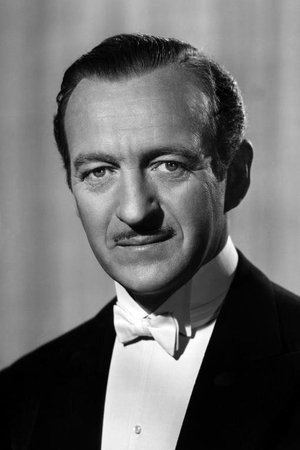
Loretta Young, alongside him, portrays a woman who is missing emotional warmth in her life. She is literally stuck somewhere between the past and the present, between feelings and obligations. You genuinely sympathize with her Julia. David Niven completes this trio of actors. His Henry turns out not to be some boring churchman (although there are certainly moments of that), but rather a man who believed, tried his best, and somewhere along the way lost sight of what mattered most.
The film talks about obvious things, but it does so in a way that never becomes irritating. That simple dinners together are worth more than any grand construction project. That holding your partner's hand means more than status and recognition. We all know these things, but for some reason, we regularly forget them. And movies like this exist precisely to remind us.
Director Henry Koster made the film with a rare sense of restraint. Nothing unnecessary, everything right where it needs to be. Perhaps it drags a little in places, but not too much. The film simply tells the stories of different people and leaves you with the feeling that you have somehow become a little lighter yourself. This is not a movie to dissect frame by frame. It is a pretty good film to watch in December, wrapped in a blanket while it is dark and cold outside. Or maybe it simply caught me in the right mood. I wouldn't rule that out.
"The Bishop’s Wife" is a worthwhile film. It works because it is not really about its era or about fashion, but about something that will always matter. Human warmth, which sometimes comes to us through other people, and sometimes through those who are just a little closer to heaven.
7 out of 10