



The Picture of Dorian Gray(1945)
Why did women talk about Dorian Gray in whispers?
Imdb
7.50
16K VotesTmdb
7.14
308 VotesViewings
No viewings yet. Add one to start tracking.
A corrupt young man somehow keeps his youthful beauty, but a special painting gradually reveals his inner ugliness to all.
Where to watch

Infos
Runtime
111 minutes
111 minutes
Directed by
Albert Lewin
Albert Lewin
Written by
Albert Lewin
Albert Lewin
People Finished
1
1
Release Status
Finished
Finished
Release Date
3/3/1945
3/3/1945
Original Language
English
English
Origin Country
United States
Cast
Recommended Titles
Reviews
aleks-predator
3 months ago
6
A Portrait of Dorian Gray’s Soul
"The Picture of Dorian Gray" (1945) was a film I watched mostly out of curiosity. I wanted to see how classic Hollywood would adapt Oscar Wilde’s novel—a book I know well and deeply admire. I didn't have particularly high expectations, and I came away with mixed feelings. On one hand, the film is atmospheric and, at times, genuinely striking from a visual standpoint. On the other, I constantly felt that something was missing—especially when you've read the novel and it has left such a lasting impression.
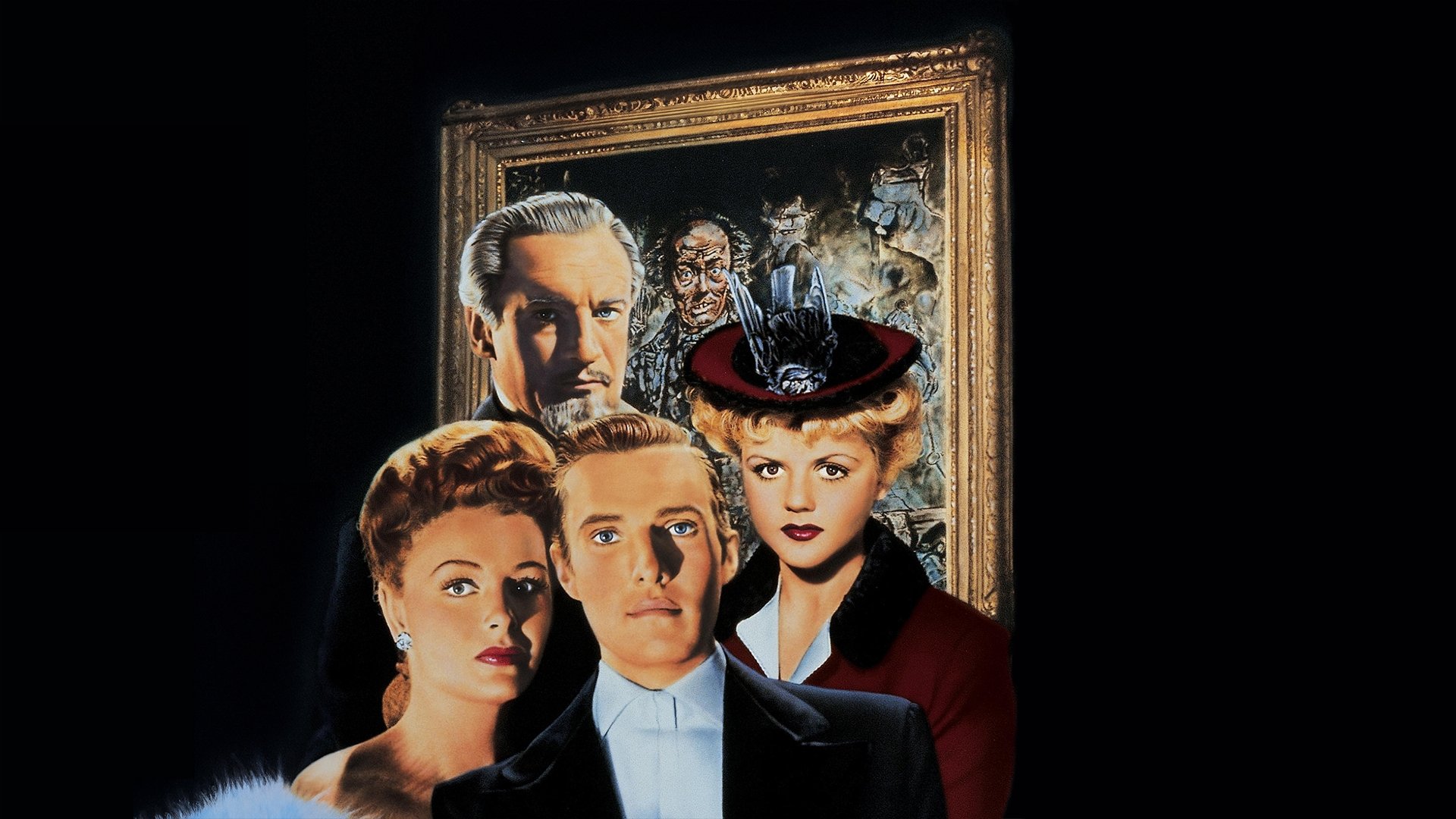
One of the film's greatest strengths is its visual style. The black-and-white cinematography suits the story perfectly. It enhances the Gothic atmosphere, adding a sense of darkness that reflects the unsettling force at the heart of the narrative. And those rare moments when the portrait appears in color are truly unforgettable. Considering the film was made in the 1940s, the effect is remarkable. The color isn't just a visual trick—it feels symbolic, alien, disturbing, as though it doesn't belong in the rest of the world. What should represent beauty instead becomes deeply unsettling.
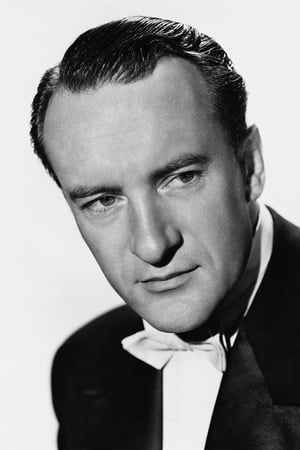
George Sanders is outstanding as Lord Henry. He delivers his lines with such predatory charm that you completely believe this is a man capable of ruining someone's life with nothing more than a few carefully chosen words. His character possesses that dangerous elegance from which so many tragedies begin.
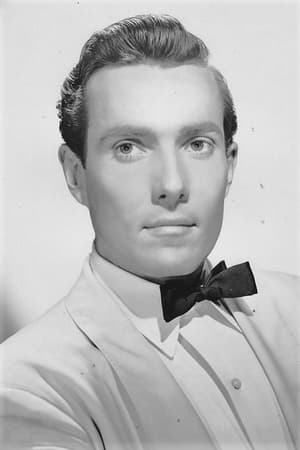
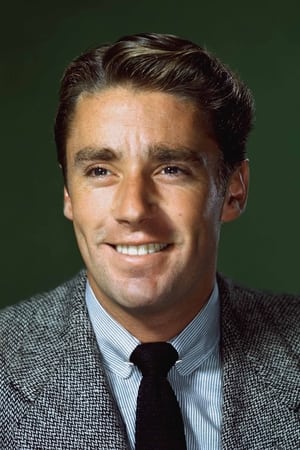
Hurd Hatfield, who plays Dorian Gray, certainly has the right look for the role, but if I'm being honest, he lacks a certain inner intensity. His character supposedly changes throughout the story—both through the events and in the dialogue—but very little of that transformation is visible on screen. He remains almost the same throughout the film: detached, distant, emotionally restrained. Perhaps that was intentional, but to me it felt more like an underplayed performance. That said, Hatfield has a very unusual face. It's undeniably handsome, exactly as Dorian should be, yet it somehow feels almost unreal. I even caught myself thinking that it created something modern audiences might describe as the "uncanny valley" effect.
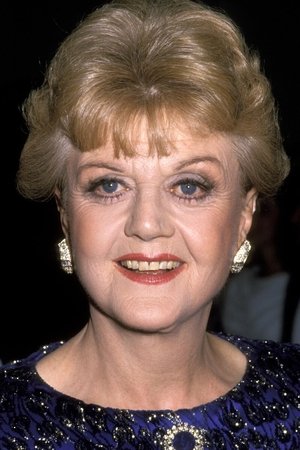
Angela Lansbury also deserves special mention. I had always associated her with a completely different image—from Murder, She Wrote, where she embodies calm intelligence and mature wisdom. Here, however, she is incredibly young, sincere, innocent, and genuinely touching. Her Sibyl Vane is one of the few characters who truly feels alive. It was fascinating to see how naturally she could convey emotion even at such an early stage of her career.
The screenplay, however, often feels overly restrained. Where Wilde's novel sparkles with wit, paradoxes, and philosophical brilliance, the film presents everything in a much more straightforward manner. Yes, the major plot points remain intact, but much of the novel's intellectual daring has been lost. That playful depth of meaning—the quality that still makes the book such a compelling read—is largely absent. The pacing is uneven as well. Some scenes linger longer than they should, while others end just when they begin to become interesting.
Even so, despite its flaws, the film remains engaging. It captures the central idea remarkably well: the disturbing notion that beauty, fame, and eternal youth can become a trap. Beneath all that outward perfection lies complete emptiness. And that message still resonates decades later.
The film also won the Academy Award for Best Cinematography, and deservedly so. The use of light and shadow contributes enormously to the atmosphere and mirrors the protagonist's psychological state. In many ways, the cinematography is stronger than the dramatic storytelling itself.
"The Picture of Dorian Gray" is far from a flawless adaptation, but it is certainly an interesting one. If you enjoy classic black-and-white cinema and are drawn to dark moral tales, you'll likely find much to appreciate. And for admirers of Wilde's novel, it's fascinating to compare the literary Dorian with his cinematic counterpart. It isn't the definitive adaptation, but at times it comes surprisingly close—and can even be genuinely haunting.
6 out of 10