

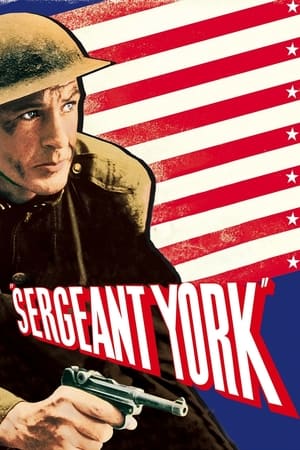



Sergeant York(1941)
Missiles! Jets! Tanks! ... It's still the guy with guts and a gun who wins the war!
Imdb
7.70
20K VotesTmdb
7.20
233 VotesViewings
No viewings yet. Add one to start tracking.
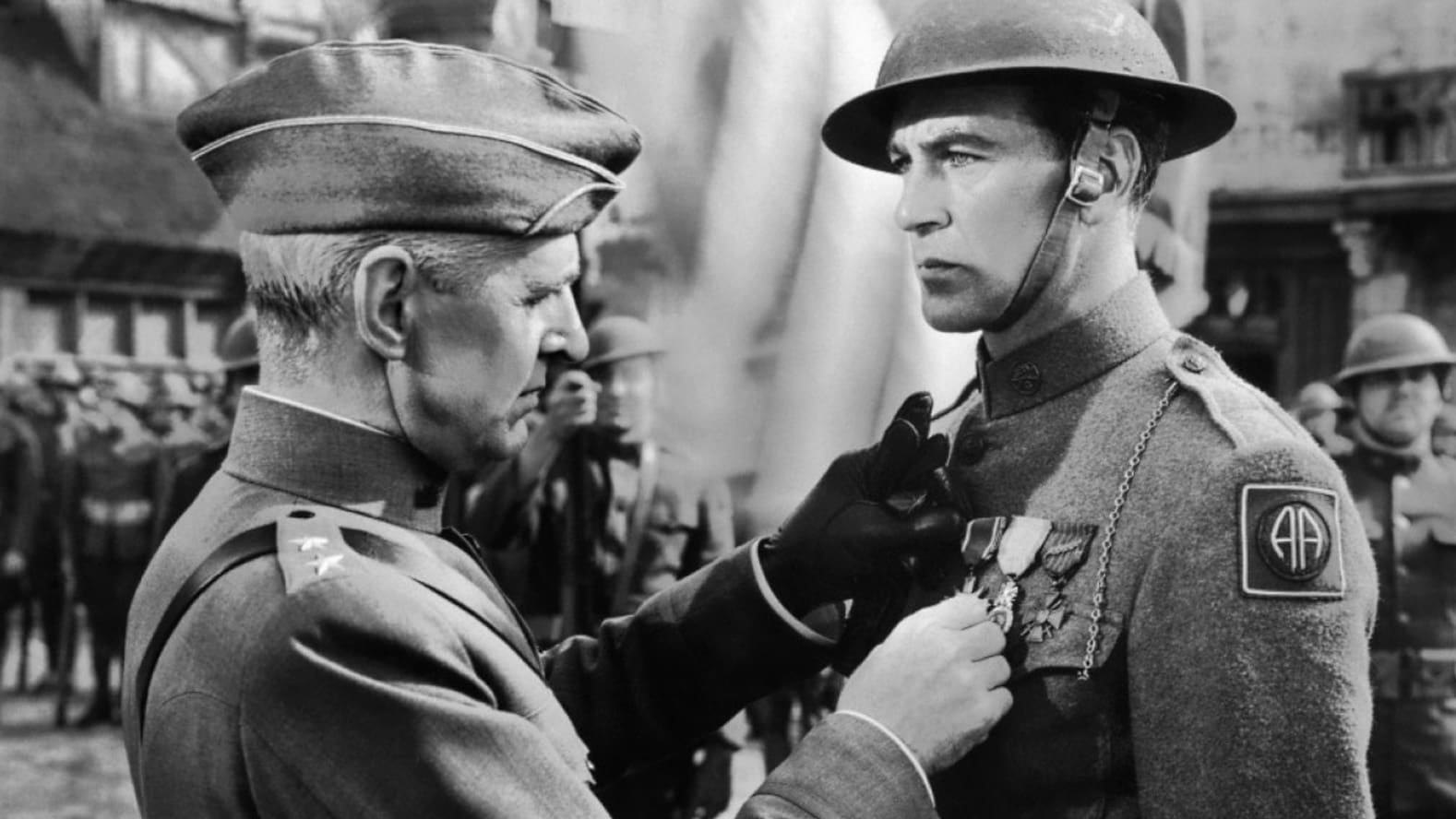
Alvin York a hillbilly sharpshooter transforms himself from ruffian to religious pacifist. He is then called to serve his country and despite deep religious and moral objections to fighting becomes one of the most celebrated American heroes of WWI.
Where to watch

Infos
Runtime
134 minutes
134 minutes
Directed by
Howard Hawks
Howard Hawks
People Interested
1
1
People Finished
1
1
Release Status
Finished
Finished
Release Date
9/27/1941
9/27/1941
Original Language
English
English
Origin Country
United States
Cast
Recommended Titles
Reviews
aleks-predator
3 months ago
7
The Story of a Soldier and a Hero
"Sergeant York" is a film that’s hard to separate from the time in which it was released. It came out in 1941: the war was already raging, but the United States had not yet entered it. Attack on Pearl Harbor was still ahead. And against that backdrop appears the story of a hero of World War I—almost like a careful hint at what a person should be in difficult times.
The film is based on the real biography of Alvin York, a simple guy from Tennessee who, quite unexpectedly even for himself, became one of the most famous soldiers of that war. The movie doesn’t turn him into a bronze monument from the very first minutes. At the beginning he’s just an ordinary, slightly awkward man with doubts and inner contradictions.
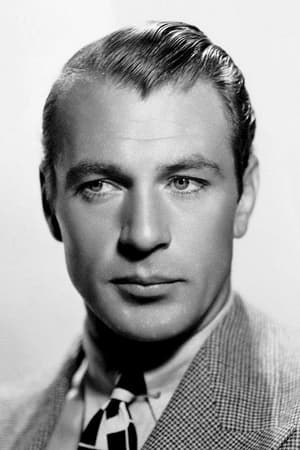
Gary Cooper is probably the main reason to watch the film. His performance is calm, without excessive gestures or pathos. You can see how his character changes—not abruptly or demonstratively, but gradually. That’s exactly why you believe in this journey. Cooper doesn’t push the emotions, and because of that the character feels alive.
Director Howard Hawks presents the film in a rather restrained way. The battle scenes are shot without unnecessary bravado—they don’t feel like a spectacular attraction. There’s a sense of heaviness, fatigue, and everyday truth. At the same time, the director doesn’t fall into excessive dramatization. The war is shown harshly, but without deliberate cruelty. In doing so, the film conveys a simple thought—one that surprisingly few people really consider: war is horror, and in war a person can just as easily kill as be killed.
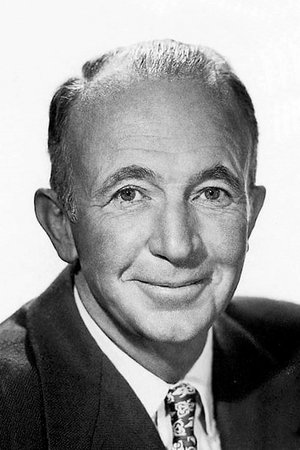
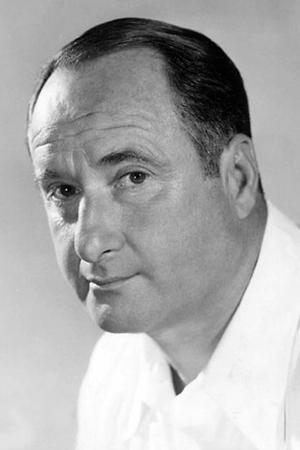
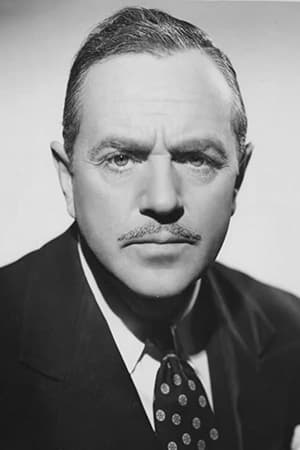
The screenplay is strong. It explores complex ethical questions about military service and the moral dilemmas the main character faces. The scenes where York doubts himself and struggles internally before accepting his role in the war are especially effective. The supporting cast also deserves praise. Walter Brennan, Joan Leslie, Stanley Ridges, and George Tobias each bring something meaningful to the story.
The film also stands out visually. The costumes and set design capture the atmosphere of the era quite well, and the cinematography creates striking images—especially during the battle scenes. I still remember a particular shot where the camera looks from behind the backs of soldiers while, in front of them, a vast battlefield opens up and enemy troops approach in the distance. It’s an unusual angle that makes you feel as if you’re standing right there beside the characters.
Hawks’ film is a solid piece of work about people and heroes, about willpower and the ability to sacrifice. It inspires and shows that even an ordinary person can be capable of great deeds. The film leaves a strong impression.
7 out of 10