



The Killers(1946)
She's a match for any mobster!
Imdb
7.70
26K VotesTmdb
7.40
441 VotesViewings
No viewings yet. Add one to start tracking.
Two hit men walk into a diner asking for a man called "the Swede". When the killers find the Swede, he's expecting them and doesn't put up a fight. Since the Swede had a life insurance policy, an investigator, on a hunch, decides to look into the murder. As the Swede's past is laid bare, it comes to light that he was in love with a beautiful woman who may have lured him into pulling off a bank robbery overseen by another man.
Where to watch

Infos
Runtime
103 minutes
103 minutes
Directed by
Robert Siodmak
Robert Siodmak
Written by
Anthony Veiller
Anthony Veiller
People Interested
1
1
People Finished
4
4
Release Status
Finished
Finished
Release Date
8/30/1946
8/30/1946
Original Language
English
English
Origin Country
United States
Cast
Recommended Titles
Reviews
aleks-predator
14 days ago
6
The Swede and His Femme Fatale
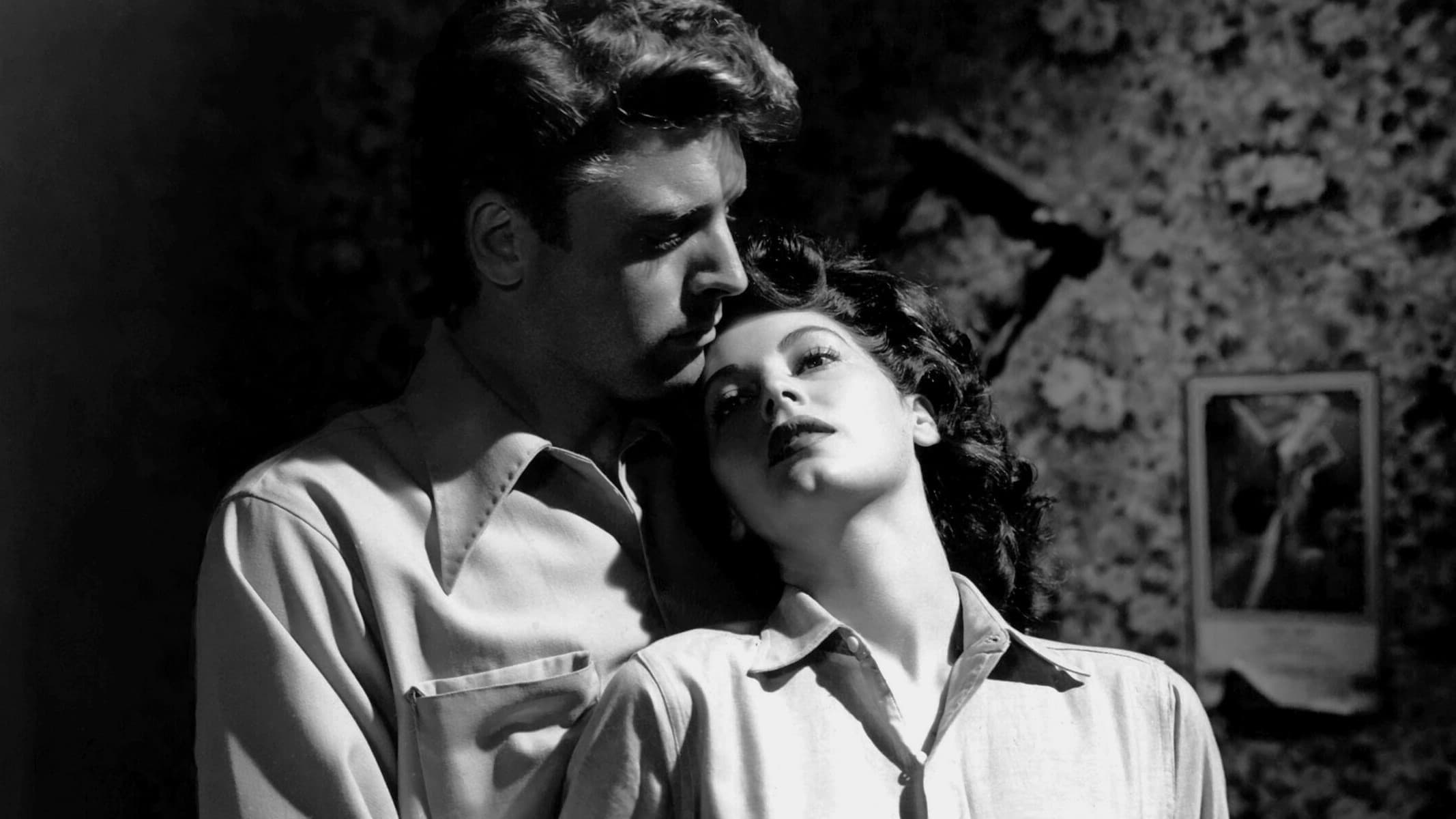
I always approach classic film noir with great interest because I love the genre for its atmosphere, its famous play of light and shadow, and its stories about people whose lives have long since fallen apart. Robert Siodmak's "The Killers" (1946) is a perfect example. Noir permeates every frame: darkness, heavy shadows, and the lingering feeling that all the worst has already happened, leaving the characters to live with the consequences. The film takes Ernest Hemingway's short story of the same name as its starting point, but it follows the original only in the opening sequence. Everything that comes afterward was created specifically for the film.
At the center of the story is the Swede. Burt Lancaster plays a man who has already given up on life. The opening is striking in more ways than one. First comes a tense scene in a roadside diner, followed by Lancaster's unforgettable introduction. His character knows people are coming to kill him, yet he makes no attempt to run. That immediately establishes the film's tone. I found myself thinking that its central idea is pure fatalism—the notion that the past always catches up with you and that there's no escaping your mistakes.
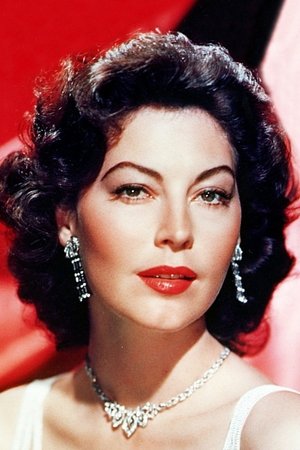
Ava Gardner plays the quintessential femme fatale. She's the character around whom everything revolves. Kitty Collins is written exactly as the genre demands: alluring, dangerous, and, naturally, breathtakingly beautiful. At times, though, I wished Gardner's performance felt a little more emotionally genuine. Then again, perhaps that's exactly the point. Kitty is meant to be beautiful, cold, and forever out of reach.
The story unfolds through a series of flashbacks, gradually revealing the chain of events that led the Swede to the fate we witness at the very beginning. It's an engaging narrative structure that keeps your attention. Still, the pacing occasionally slows more than necessary, with certain scenes lingering a bit too long. The ending is very much a product of its era and of the noir tradition, and it's staged accordingly. A few of its twists didn't have much impact on me personally, but within the conventions of the genre, they're fairly predictable.
The film's four Academy Award nominations were well deserved. Visually, it's excellent, with an uncompromising noir atmosphere that's hard to fault.
That said, my overall impression was somewhat mixed. On one hand, it's a solid classic noir featuring striking cinematography, a clear central idea, numerous plot twists, and a cast of memorable characters. On the other hand, not every twist lands with equal force, and some of the characters occasionally feel more like archetypes delivering dramatic lines than fully realized human beings.
"The Killers" is undoubtedly an important film in the history of noir, but in my opinion, it falls just short of the genre's very best.
6 out of 10