

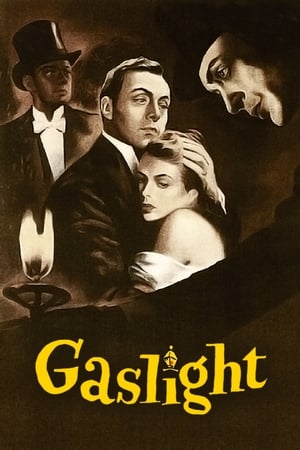






Gaslight(1944)
Strange drama of a captive sweetheart!
Imdb
7.80
38K VotesTmdb
7.50
569 VotesViewings
No viewings yet. Add one to start tracking.
A newlywed fears she's going mad when strange things start happening at the family mansion.
Where to watch

Infos
Runtime
114 minutes
114 minutes
Directed by
George Cukor
George Cukor
People Interested
9
9
People Finished
10
10
Release Status
Finished
Finished
Release Date
5/4/1944
5/4/1944
Original Language
English
English
Origin Country
United States
Cast
Recommended Titles
Reviews
aleks-predator
about 1 month ago
7
Mystery and Evil in the Fading Gaslight
"Gaslight" (1944) is an Academy Award-winning film featuring an unforgettable performance by Ingrid Bergman. It is truly one of the defining films of its era, and even today it remains fascinating thanks to its unusual direction and atmosphere. The movie is beautiful in its own dark and poetic way.
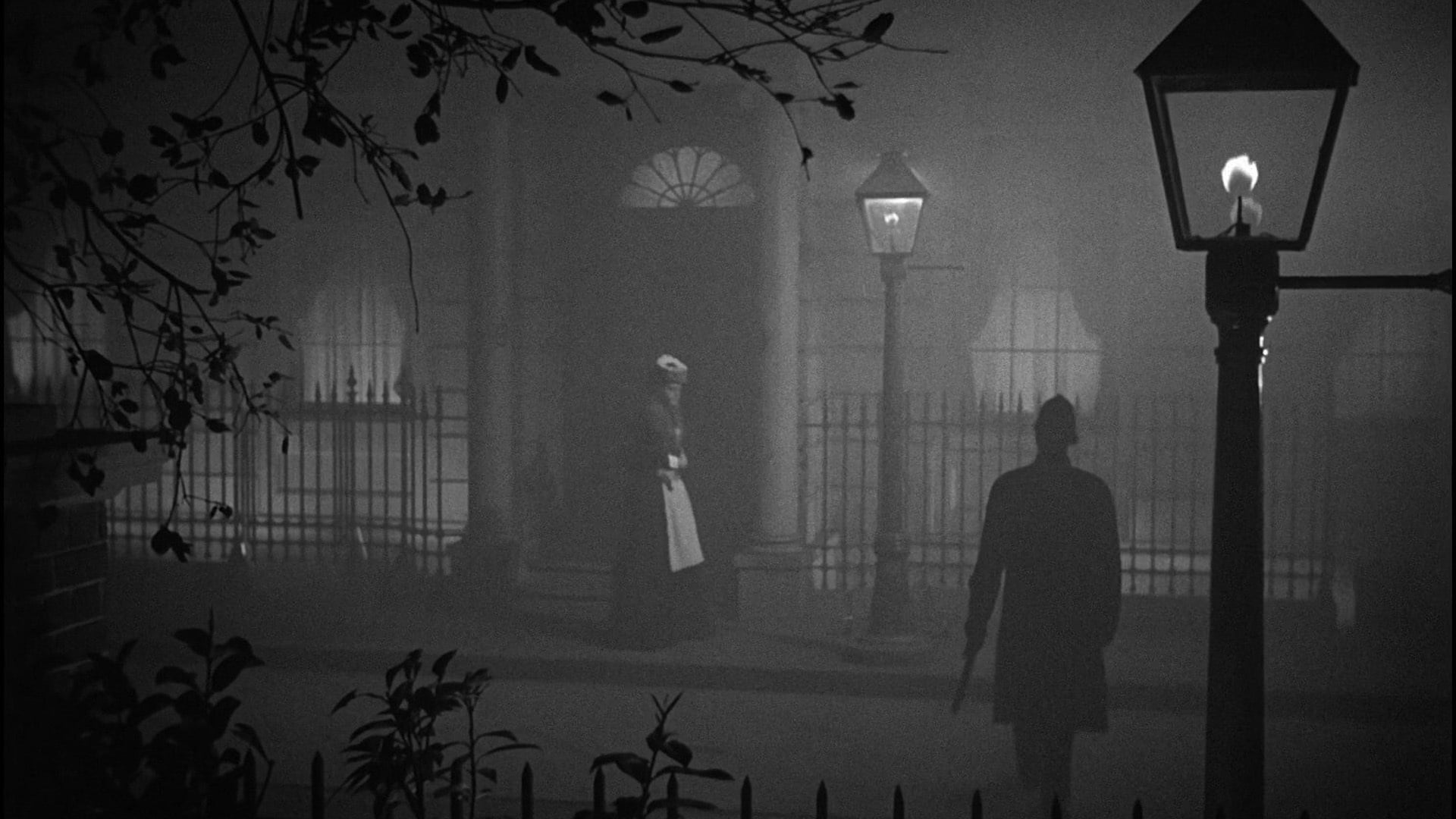
Much of the credit for the film’s atmosphere belongs to director George Cukor and cinematographer Joseph Ruttenberg. The thriller mood is present from the very first scene: a dark street, a silent and unsettling crowd waiting for something, a door opening, and a young woman wrapped in a cloak being escorted to a horse-drawn carriage. At first, there are no answers — only mystery — but a much larger story lies ahead.
The film is filled with anxiety and gloomy beauty. A sense of fear follows not only the characters but also the viewer. At the same time, the scenes are visually stunning thanks to the work of true masters. Cukor and Ruttenberg perfectly convey the claustrophobia and tension of characters who seem trapped inside a closed world. The result is incredibly atmospheric and emotionally effective.
Bergman is outstanding here. In my opinion, this is one of the finest performances of her career. She portrays a frightened woman slowly losing confidence in her own mind, as if sinking into something dark and almost supernatural. Her character is consumed by fear, and the approaching resolution leads the audience toward a compelling finale. The story is told through rich, carefully composed shots that gradually transition into intense close-ups, making the scenes feel deeper and more emotionally powerful.
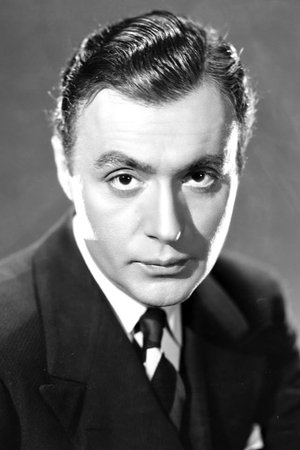
Charles Boyer is equally strong and serves as the perfect counterpart to Bergman in her Oscar-winning role. His character also changes throughout the film, and this transformation is clearly visible from beginning to end. Shadows constantly surround both characters — dangerous shadows, barely noticeable shadows — almost like additional silent characters that play an important role in the story.
The plot itself is interesting, though not entirely unpredictable. But that is not the film’s greatest strength. What truly makes it memorable is the way it manipulates the audience’s emotions, forcing you to stay focused on the screen as it pulls you deeper into its fading world of gaslight and deception.
I really liked the film. It’s a strong and memorable work that deserved its two Academy Awards. Bergman’s Oscar feels completely earned in my opinion. The second award, for art direction in a black-and-white film, is also easy to understand because the visual presentation is one of the movie’s greatest achievements. I would not call it a masterpiece, but it is stylish, memorable, and more than capable of surprising modern viewers.
7 out of 10