



Suspicion(1941)
In his arms she felt safety...in his absence, haunting dread!
Imdb
7.20
46K VotesTmdb
7.10
926 VotesViewings
No viewings yet. Add one to start tracking.
A sheltered heiress falls for a charming playboy and elopes with him, but soon discovers his gambling vice and mounting debts. As his lies deepen and those around them meet mysterious ends, she begins to suspect that her husband’s affection may conceal a deadly motive—and that she could be his next victim.
Where to watch

Infos
Runtime
99 minutes
99 minutes
Directed by
Alfred Hitchcock
Alfred Hitchcock
Written by
Samson RaphaelsonAlma RevilleJoan Harrison
Samson RaphaelsonAlma RevilleJoan Harrison
People Interested
5
5
People Finished
6
6
Release Status
Finished
Finished
Release Date
11/14/1941
11/14/1941
Original Language
English
English
Origin Country
United States
Cast
Recommended Titles
Reviews
aleks-predator
6 months ago
7
Hitchcock, the Play of Shadows, and Suspicion
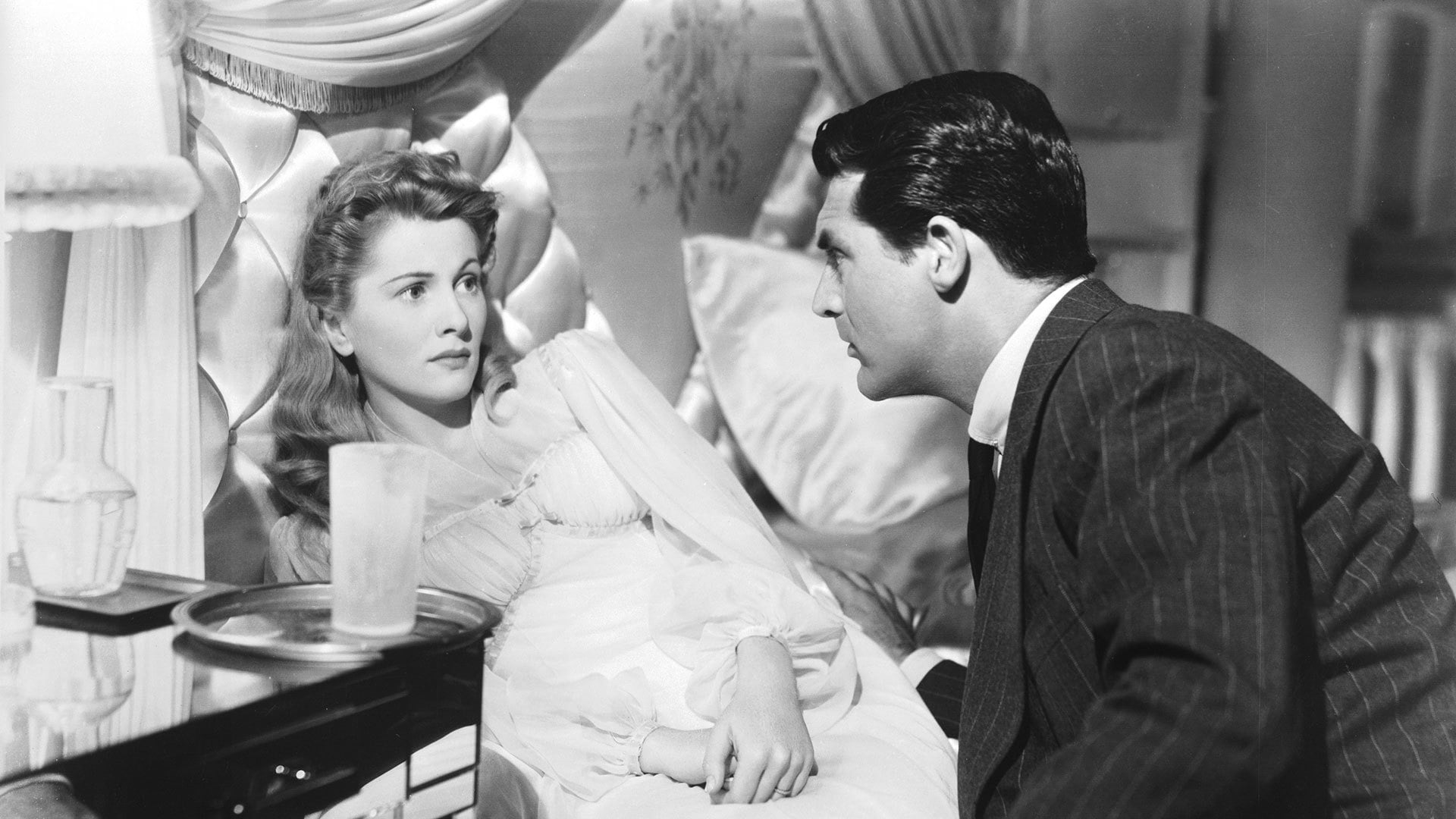
"Suspicion" (1941) is one of those films that proves Alfred Hitchcock knew exactly how to keep an audience on edge. It may feel it-s a chamber historyin scale, without grand spectacle, but it’s hard to look away. From the very first minutes, you sense that something is off. It seems like a romantic story at first — and then comes the growing unease, the anxious hints, the shadows on the walls and in the characters’ hearts. Before you know it, you’re no longer sure of anyone — or anything.
This is one of Hitchcock’s films where the atmosphere thickens with every scene. Everything is crafted with precision, yet it feels effortless. It’s as if he’s playing with the viewer — suggesting, misleading, provoking. That’s the essence of it: everything is built on subtle nuances, glances, and things left unsaid. He invites us to decide for ourselves whether the characters can be trusted, especially the central figure.
Cary Grant is unusual here. As charming and charismatic as ever, yet there’s something subtly sinister about him in this role. That’s where the film’s magic lies. His character seems pleasant, but there’s a constant feeling that something dark is hiding behind his smile. He’s neither a typical villain nor an obvious hero. He’s someone you’re uneasy watching simply because you don’t understand who he really is.
Joan Fontaine, playing his wife, fits the role perfectly. Her character is vulnerable, full of doubt and internal conflicts. With each scene, she sinks deeper into her fears, and Fontaine conveys this brilliantly. It’s no surprise that she won the Academy Award for this performance — a clear case where the recognition feels truly deserved.
Visually, the film is a masterclass in style. Light, shadows, silhouettes — everything is carefully composed with taste and intention. And yet it never feels excessive: every frame breathes, lives, and serves the story. Everything works toward suspense and the sense of inner uncertainty that Hitchcock deliberately instills in the viewer.
"Suspicion" is not a film that gives you all the answers. But it’s certainly one that leaves a strong impression. It makes you want to discuss it, maybe even argue about it. It’s not just a striking example of the director’s style, but also a story that raises an unsettling question: how well do we really know the people closest to us?
For fans of atmospheric and intelligent thrillers, this film is definitely worth watching.
7 out of 10