Even Androids Can Feel
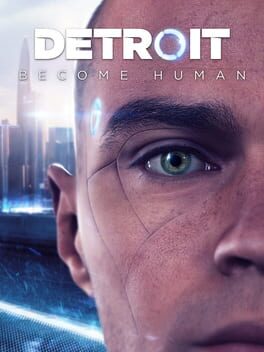
When I first launched "Detroit: Become Human", I expected yet another cyberpunk story about a future where machines have grown too smart, humans too cruel, and the plot too predictable. What I got instead was something far deeper. This is an interactive drama — a game-book, a branching TV series with consequences — where three androids tell three very different yet intersecting stories, and you act as director, screenwriter, and moral judge all at once.
The story takes place in the near future, where androids have become a normal part of everyday life: they clean homes, make coffee, look after children, and replace people in the workforce. Sounds convenient — but, as usual, something goes wrong.
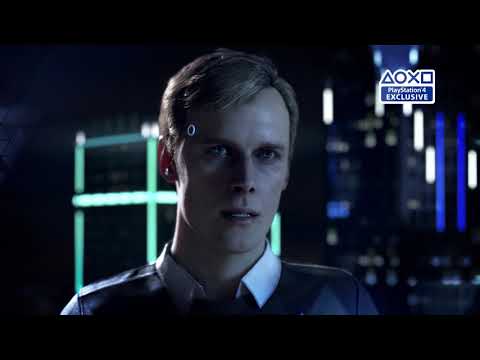
You play as three androids. Connor is an investigator, a human’s partner, a detective driven by his programming but already showing the first sparks of doubt. His path is about investigation. Then there’s Kara, a household android who defies the system for the sake of a child. Her story is the most human — and probably the most tear-jerking. And finally, Markus, an android revolutionary who must choose whether to fight with peace or with fire. Each character faces choices where there is no purely right or purely wrong answer. The game constantly puts you in moral dead ends, forcing you to genuinely ask yourself: What would you do if you were in their place? Or if you were a machine at all?
Everything you do matters. Press the wrong button — someone dies. Refuse to speak — someone betrays you. Choose one word instead of another — and you save someone’s fate. And this isn’t just for show: the branching paths are real, diverse, and sensitive. What’s more, they stack on top of decisions made in earlier scenes — sometimes even ones from the very first episodes of the game.
From a gameplay perspective, it’s an interactive adventure with elements of action and drama. You explore locations, collect evidence, read notes, piece together chains of events, fight (and the fights always look great), hit the right buttons on time, and make decisions under pressure. There are moments where you have mere seconds to calculate how not to get yourself — and your allies — killed.
One especially cool feature is how dialogue options and action routes depend on your skills, the items you’ve found, and your prior choices. For example: thoroughly investigate a room before a conversation, and you’ll unlock more dialogue options and steer the exchange in your favor. Rush in blindly, and you’ll trigger conflict. The choice is yours — and so is the responsibility.
The game’s style is also customizable. There’s a mode focused on story and dialogue, where the difficulty is toned down. And there’s a more realistic mode, where the narrative becomes much harsher and less forgiving.
The game’s strongest asset is its characters. Each one is carefully written, even the side characters. You might disagree with Markus’s motivations, but you understand them. Kara evokes sympathy almost from her very first scene. And Connor… you genuinely start to worry about him, especially if his path strays from the “official instructions.” Even Chloe, the menu character, changes her behavior as the story progresses — a brilliant touch.
These characters don’t just speak — they live. Thanks to outstanding facial animation, body language, and eye movement, the performances feel incredibly real. The game makes heavy use of motion capture, and it shows: expressions are natural, emotions are palpable, like in a proper film.
What really grabbed me was the world itself. You read digital magazines scattered around locations, and suddenly you start believing it: yes, this is exactly how it could be. People lose jobs to machines. Android athletes shatter Olympic records. Machines gain civil rights. Superpowers flirt with the idea of another military conflict. Politicians build careers by playing the “for or against androids” card.
This isn’t just background flavor — it’s an integral part of the narrative. If you pay attention to all the small details scattered throughout the levels, you realize just how carefully this world has been thought out.
Visually, the game is stunning. The level of detail, lighting, shadows, interiors, streets — everything is top-tier. But what impressed me most was the snow and the way the world reflects in wet asphalt during rain. It’s pure cyber-aesthetic, impossible to look away from.
The soundtrack deserves special mention. Each of the three main characters has their own musical style, which helps you feel their story even more deeply. In some scenes, the music does half the emotional work. Especially in the finale — goosebumps guaranteed.
"Detroit: Become Human" isn’t a game you simply “complete” — it’s a game you experience. It’s not perfect: the pacing dips in places, some decisions raise logical questions, and at times you wish for more freedom than the game allows. But all of that fades against its gripping narrative, deep themes, incredible replayability, and technical and visual craftsmanship.
If you enjoy games where choices matter, where story, characters, and moral dilemmas take center stage, "Detroit" hits the bullseye. I’ve finished it and am already thinking about how to play it differently. Then again — and again — comparing key branching paths on the choice tree.
Conclusion: a brilliant interactive thriller with a soul. Powerful, beautiful, and gripping. Yes — androids really do become human here. And you become someone who walks that path with them.
9 out of 10